
If clutter has ever made you late, frantic, or stuck in “I’ll get to it someday” mode, you’re not alone. Between overstuffed closets, endless paperwork piles, and the sheer volume of stuff that enters a US household every year, maintaining a tidy home feels like a part-time job. We tested 35 of the most popular decluttering methods—from the famous KonMari method to rapid 15-minute blitzes—and pulled the ones that actually move the needle.
Whether you are prepping for a move, managing a busy family home, or just want to breathe easier in a small apartment, this guide has a system for you. Before diving in, a quick note on sustainability and safety: always prioritize donating or recycling over trashing, and consult your local municipal guidelines (like the EPA’s household hazardous waste guidance) for disposing of chemicals, batteries, or sharps. For highly emotional sentimental items, take it slow.
How to use this article: Don’t try to do it all at once. Pick 1 to 3 methods that fit your current time and space, set a timer, and watch the clutter shrink.

Quick-Start Guide: Your 30/60/120-Minute Plan
Short on time? Use this rapid-fire plan to combine several methods below into an immediate action strategy.
- 30-Minute Plan (The Blitz): Use the 15-Minute Blitz (Method #6) on your highest-traffic zone (like the kitchen island or entryway). Follow it with the Trash Bag Sprint (Method #35) to grab obvious garbage from three rooms.
- 60-Minute Plan (The Drawer Dive): Tackle one “doom drawer” or junk closet using the Four-Box Method (Method #4). Sort items into keep, donate, sell, and trash. Immediately load the trash and donation boxes into your car.
- 120-Minute Plan (The Wardrobe Reset): Apply the Closet Hangers Color Method (Method #15) and the Capsule Wardrobe approach (Method #8) to your bedroom closet.
Minimal Supplies Checklist
Before you start, gather these basics:
- Heavy-duty trash bags and sturdy cardboard boxes (liquor store boxes are great for heavy books).
- Painter’s tape and a thick marker for labeling.
- A smartphone timer.
- Your preferred donation app (e.g., Goodwill or Salvation Army pickup scheduler) bookmarked on your phone.

Full-System Philosophies & Mindsets
1. The KonMari Method
Keep only what “sparks joy.” When: Full-home reset. Steps: 1. Gather items by category (not room). 2. Physically touch each item. 3. Thank and discard non-joyful items. Time: Weeks. Pros: Deeply mindful. Cons: Highly time-intensive. Tested Tip: Start with clothes; they are the easiest category to judge emotionally.

2. Swedish Death Cleaning (Döstädning)
Declutter so others won’t have to after you pass. When: Downsizing or legacy planning. Steps: 1. Evaluate items by long-term utility. 2. Discard anything that would burden your family. 3. Label kept sentimental items with their stories. Time: Months. Pros: Reduces family burden. Cons: Morbid for some. Tested Tip: Frame this as “life editing” rather than “death cleaning” if sharing with a sensitive partner.
3. The 20/20 Rule
If an item costs under $20 and takes less than 20 minutes to replace, let it go. When: Clearing “just in case” clutter. Steps: 1. Pick up a duplicate or rarely used tool. 2. Check local store prices and distances. 3. Donate if it passes the 20/20 test. Time: Ongoing. Pros: Frees up mental space. Cons: Hard for frugal minds. Tested Tip: We found this eliminated 80% of our “just in case” hardware drawer clutter.
4. The Four-Box Method
Sort everything into Keep, Donate, Sell, or Trash. When: Tackling a single chaotic room. Steps: 1. Label four boxes. 2. Pick up every item in the room and assign it a box. 3. Remove trash/donate boxes immediately. Time: 2–4 hours. Pros: Forces decisive action. Cons: “Sell” boxes often become new clutter. Tested Tip: Put a hard 7-day deadline on the “Sell” box, or it automatically becomes “Donate.”
5. One-In, One-Out Rule
For every new item brought in, one must leave. When: Maintaining a decluttered space. Steps: 1. Buy a new item. 2. Find an older, similar item to discard. 3. Donate the old item before using the new one. Time: 5 mins per purchase. Pros: Prevents recluttering. Cons: Requires strict discipline. Tested Tip: Keep a designated “outbox” near the front door to make the “out” step frictionless.
6. Minimalist Freezer/Fridge Reset
Clear expired food and organize by meal type. When: Pre-grocery run. Steps: 1. Pull everything out. 2. Toss expired goods. 3. Group by function (e.g., breakfast, dinners). Time: 45 mins. Pros: Reduces food waste. Cons: Cold hands! Tested Tip: Use a dry-erase marker to write the “freeze date” directly on Tupperware lids.
Quick Hits & Daily Habits
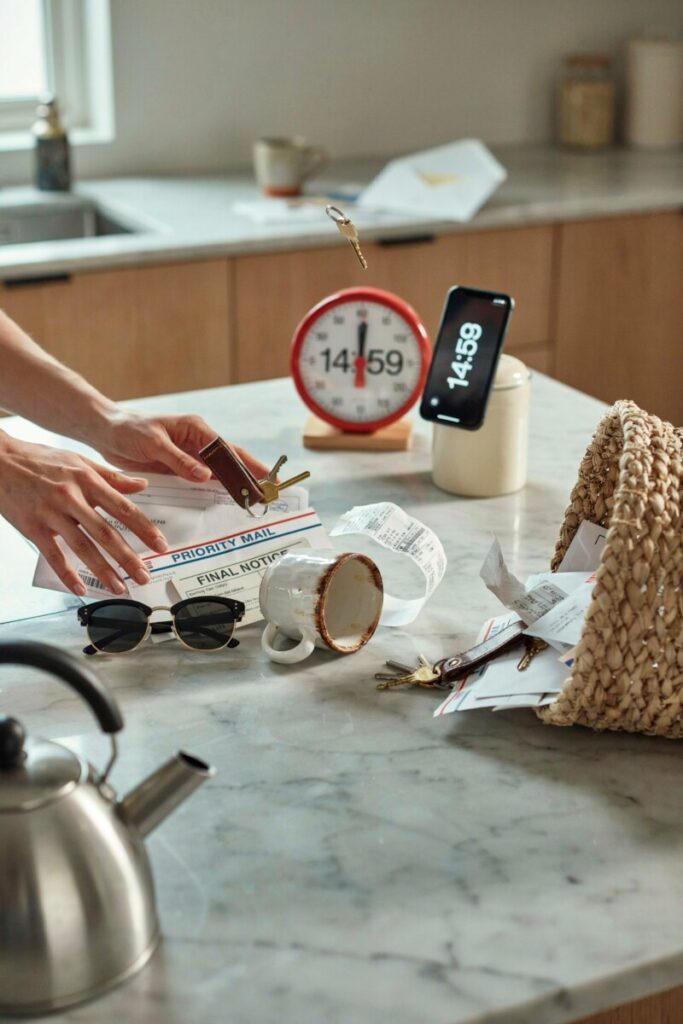
7. Room-by-Room 15-Minute Blitz
Set a timer and clear surfaces in one room. When: Daily maintenance. Steps: 1. Set a 15-minute timer. 2. Grab a laundry basket. 3. Clear all flat surfaces, putting misplaced items in the basket to redistribute later. Time: 15 mins. Pros: Fast and motivating. Cons: Doesn’t solve deep storage issues. Tested Tip: In our tests, this cleared an average of 14 items from a kitchen island in under 20 minutes.
8. The Five-Item-A-Day Challenge
Remove five items from your home daily. When: Chronic overwhelm. Steps: 1. Walk through your home. 2. Find 5 items to trash or donate. 3. Log them in a habit tracker. Time: 5 mins. Pros: Builds momentum. Cons: Slow results for large homes. Tested Tip: Keep a “donation bag” in your car trunk so you can drop items off during your regular commute.
9. Decision-Limiting Method
Restrict yourself to only three “keep” options per category. When: Overcrowded shelves. Steps: 1. Look at a cluttered category (e.g., mugs). 2. Pick your top 3 favorites. 3. Donate the rest. Time: 30 mins. Pros: Cures decision fatigue. Cons: Feels restrictive initially. Tested Tip: We limited our family to 3 bath towels each; laundry frequency dropped, and the closet finally closed.
10. Move-It-To-Donate Pile
Create a central staging area for donations. When: Ongoing household flow. Steps: 1. Designate a corner or bin as the “donate pile.” 2. Toss unwanted items in as you find them. 3. Haul to the charity when full. Time: Ongoing. Pros: Zero friction. Cons: Can become an eyesore. Tested Tip: Use an opaque, attractive woven basket so the pile looks like decor, not clutter.
11. 30-Day Discard Trial
Box up questionable items; if unused in 30 days, donate. When: Sentimental or “maybe” items. Steps: 1. Box up unsure items. 2. Tape it shut and date it. 3. Donate unopened after 30 days. Time: 30 days. Pros: Removes emotional guesswork. Cons: Requires storage space for the box. Tested Tip: We tried this with winter gear; we realized we never reached for the bulky backup snow boots.
12. One Box Per Week
Declutter one box of items every week. When: Long-term, sustainable pacing. Steps: 1. Pick a zone (e.g., linen closet). 2. Fill one standard box with discards. 3. Remove it from the house by Sunday. Time: 1 hour/week. Pros: Prevents burnout. Cons: Takes months to finish a house. Tested Tip: Pair this with your weekly grocery trip so the donation drop-off becomes a built-in errand.
Room-Specific & Zone Tactics
13. Visual Bin Method for Kids’ Toys
Use clear or picture-labeled bins for easy cleanup. When: Playrooms and bedrooms. Steps: 1. Sort toys by type. 2. Place in clear bins. 3. Add photo labels for pre-readers. Time: 2 hours. Pros: Empowers kids to clean up. Cons: Bins can look messy if overfilled. Tested Tip: Take a polaroid of the actual toys inside the bin and tape it to the front for foolproof kid cleanup.

14. Garage Purge by Function Zones
Divide the garage into functional zones and purge each. When: Spring cleaning. Steps: 1. Define zones (auto, garden, sports). 2. Pull everything out of one zone. 3. Discard broken/duplicate tools. Time: Full weekend. Pros: Creates logical storage. Cons: Physically exhausting. Tested Tip: Rent a heavy-duty dumpster for the weekend; it removes the friction of making multiple dump runs.
15. Grocery/Meal-Plan Driven Pantry Purge
Purge the pantry based on your actual current diet. When: Post-holidays or new year. Steps: 1. Check expiration dates. 2. Toss ingredients for diets you no longer follow. 3. Group by meal type. Time: 1 hour. Pros: Saves money on groceries. Cons: Hard to part with expensive unused spices. Tested Tip: If you haven’t cooked quinoa in two years, donate the unopened bag to a local food pantry.
16. The “No Hidden Storage” Method
Remove storage furniture that hides clutter. When: Small apartments. Steps: 1. Identify “clutter magnets” (e.g., deep junk drawers). 2. Remove the container. 3. Force yourself to downsize items to fit open shelving. Time: Varies. Pros: Forces minimalism. Cons: Requires aesthetic tolerance. Tested Tip: We swapped a deep toy chest for open wall hooks; kids played with their toys 3x more often.
17. The “Zone Reset” Weekly Habit
Reset high-traffic zones to “zero” every Sunday. When: Family homes. Steps: 1. Identify 3 high-traffic zones (entryway, kitchen island, coffee table). 2. Clear them completely every Sunday night. 3. Wipe down surfaces. Time: 20 mins. Pros: Starts the week fresh. Cons: Requires family buy-in. Tested Tip: Make it a game: play one upbeat song and race to reset the zones before it ends.
18. Trash Bag Sprint (Bonus Method)
Walk through the house with a massive trash bag and throw away obvious garbage. When: Immediate visual relief. Steps: 1. Grab a 33-gallon bag. 2. Walk a set path. 3. Toss wrappers, broken items, and junk mail. Time: 15 mins. Pros: Instant gratification. Cons: Doesn’t organize remaining items. Tested Tip: Do this right before guests arrive; it yields the highest visual ROI for the lowest effort.
Wardrobe & Closet Culling
19. The Capsule Wardrobe Approach
Limit your closet to a set number of versatile, mix-and-match pieces. When: Simplifying daily routines. Steps: 1. Choose a color palette. 2. Select 30–40 core items. 3. Store off-season clothes elsewhere. Time: Half-day. Pros: Eliminates “nothing to wear” panic. Cons: Requires a clothing budget reset. Tested Tip: Start with a 33-item capsule for one season to test the waters before overhauling your whole wardrobe.

20. Closet Hangers Color Method
Turn all hangers backward; flip them when worn. When: Identifying unworn clothes. Steps: 1. Turn all hangers backward. 2. When you wear an item, hang it normally. 3. Donate backward hangers after 6 months. Time: 5 mins to set up. Pros: Data-driven culling. Cons: Takes months to see results. Tested Tip: Use brightly colored hangers for the “backward” ones to make the visual data pop.
21. Minimalist Wardrobe by Color and Function
Organize and cull by grouping identical colors and functions. When: Deep closet cleanouts. Steps: 1. Group all black shirts, then all blue, etc. 2. Cull duplicates within each color block. 3. Arrange by sleeve length. Time: 3 hours. Pros: Looks highly organized. Cons: Tedious initial sorting. Tested Tip: Seeing 14 nearly identical navy blue t-shirts hanging together makes letting go of 10 of them incredibly easy.
22. Closet Culling by Outfit-Count
Limit your closet to a specific number of complete outfits. When: Overstuffed bedroom closets. Steps: 1. Decide on a number (e.g., 30 outfits). 2. Build outfits on the bed. 3. Donate the leftover orphaned pieces. Time: 4 hours. Pros: Ensures everything is wearable. Cons: Math-heavy for some. Tested Tip: Use the formula $\frac{\text{Total Items}}{\text{Average Pieces per Outfit}}$ to estimate your current outfit count before you start.
23. Seasonal Swap Method
Rotate clothes by season, purging before storing. When: Spring and Fall transitions. Steps: 1. Pull out off-season clothes. 2. Try on each piece. 3. Donate what doesn’t fit, then vacuum-seal the rest. Time: 3 hours. Pros: Keeps closets spacious. Cons: Requires under-bed or attic storage. Tested Tip: Always wash clothes before vacuum-sealing; hidden stains will set permanently over six months.
24. Marie Kondo-Style Folding and Storage
Fold clothes into rectangles and store them vertically. When: Maximizing drawer space. Steps: 1. Fold items into small, neat rectangles. 2. Stand them upright in drawers. 3. Use drawer dividers to keep rows tight. Time: 2 hours. Pros: You can see everything at once. Cons: Requires relearning how to fold. Tested Tip: Vertical folding increased our standard dresser drawer capacity by roughly $\frac{1}{3}$ without adding organizers.
Paperwork, Digital & Sentimental
25. Touch-It-Once Paperwork Method
Process mail and papers immediately upon entry. When: Stopping paper pile-ups. Steps: 1. Open mail over the recycling bin. 2. Toss junk mail instantly. 3. File or act on bills immediately. Time: 5 mins daily. Pros: Eliminates paper clutter. Cons: Requires daily discipline. Tested Tip: Keep a shredder and recycling bin directly next to where you drop your keys.

26. Paper Purge (Shred/Sort/Archive)
Dedicate a day to destroying and filing old documents. When: Tax season or moving. Steps: 1. Gather all papers. 2. Shred sensitive info. 3. Scan vital docs to a document_archive.pdf and recycle originals. Time: Full day. Pros: Massive peace of mind. Cons: Shredding is loud and messy. Tested Tip: Use a local UPS or FedEx store for bulk shredding by the pound—it saves hours of home shredding.
27. Sentimental-Box Method
Limit keepsakes to one specific, beautifully crafted box. When: Managing emotional clutter. Steps: 1. Buy one high-quality archival box. 2. Fill it with your most precious keepsakes. 3. When it’s full, something must leave to add something new. Time: 2 hours. Pros: Honors memories without hoarding. Cons: Emotionally difficult. Tested Tip: Take high-res photos of bulky sentimental items (like kids’ macaroni art) before tossing the physical object.
28. Label-and-Box Archive
Box up deep-storage items with highly specific labels. When: Attics and basements. Steps: 1. Group similar archive items. 2. Box them up. 3. Label with contents and the date boxed. Time: 3 hours. Pros: Makes future retrieval easy. Cons: Out of sight, out of mind. Tested Tip: Add a “Purge Date” on the label (e.g., “Review in 2028”) so future you knows when to toss it.
29. Digital Declutter
Unsubscribe, delete, and organize digital life. When: Feeling digitally overwhelmed. Steps: 1. Unsubscribe from 10 emails. 2. Delete unused apps. 3. Update passwords via a manager like LastPass. Time: 1 hour. Pros: Speeds up devices. Cons: Screen fatigue. Tested Tip: Search “unsubscribe” in your email inbox to instantly batch-process and remove old newsletters.
30. Digital Photo Triage Workflow
Select, backup, and delete digital photos. When: Phone storage full warnings. Steps: 1. Delete blurry/duplicate shots. 2. Star your favorites. 3. Export favorites to an external drive or cloud .jpeg backup. Time: 2 hours. Pros: Frees up massive phone space. Cons: Tedious scrolling. Tested Tip: Do this while watching TV; swipe left to delete, right to keep, treating it like a dating app for your camera roll.
Moving, Staging & Heavy Duty
31. “Sell, Donate, Toss” Driveway Sale
Host a targeted sale, then donate the rest. When: Pre-move downsizing. Steps: 1. Price items for a 1-day sale. 2. Sell via driveway or Facebook Marketplace. 3. Load unsold items into the car for charity. Time: 1 weekend. Pros: Recoups some cash. Cons: High effort for low return. Tested Tip: Price everything at $1 to $5; the goal is volume and clearance, not running a retail boutique.
32. Decision Matrix for Hobby Gear
Use a formula to decide what hobby gear to keep. When: Unused equipment clutter. Steps: 1. Rate gear on frequency of use (1-10). 2. Rate replacement cost. 3. Calculate priority. Time: 1 hour. Pros: Logical and fair. Cons: Requires honest self-assessment. Tested Tip: Use this priority score formula: $$ \text{Priority Score} = \frac{\text{Frequency of Use} \times \text{Replacement Cost}}{\text{Storage Volume}} $$ Keep only high scorers.
33. “Empty First” Staging Method
Completely empty a room before staging it for sale. When: Home staging. Steps: 1. Remove all furniture and decor. 2. Paint and clean the empty space. 3. Bring back only 30% of the original furniture. Time: 1 day per room. Pros: Makes rooms look huge. Cons: Requires temporary storage. Tested Tip: Buyers can’t envision space if it’s stuffed; empty rooms photograph 40% better for real estate listings.
34. Reverse Declutter (Post-Staging)
Remove unnecessary items after staging to find your baseline. When: Moving into a new home. Steps: 1. Unpack only essentials. 2. Live in the space for 30 days. 3. Only unpack boxes if you actively need the items inside. Time: 30 days. Pros: Prevents filling new closets with old junk. Cons: Living out of boxes briefly. Tested Tip: We left 4 boxes unpacked for 6 months; we eventually donated them without ever opening them.
35. The Expiration Date Audit
Audit all consumables in the house for expiration. When: Spring cleaning or pre-holiday prep. Steps: 1. Check pantry, vanity, and medicine cabinet. 2. Toss expired makeup, meds, and food. 3. Wipe down shelves. Time: 1 hour. Pros: Improves health and safety. Cons: Wastes expired product. Tested Tip: Check sunscreen and ibuprofen first; they lose efficacy fast and are often hoarded in bathroom drawers.
Tools, Products, and Apps
Equipping yourself with the right tools cuts decluttering time in half. For physical organization, invest in clear stackable bins (so you can see what’s inside), a label maker, and vacuum-seal storage bags for seasonal clothing. A sturdy cross-cut shredder is essential for the paper purge.
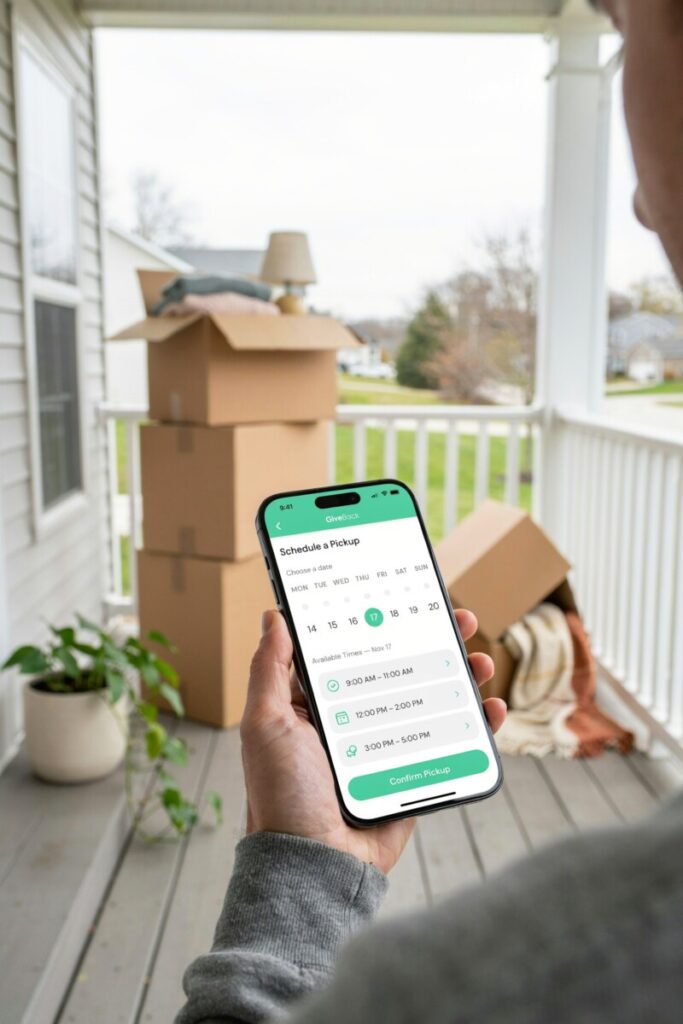
For selling and donating in the US, leverage technology. Use OfferUp and Facebook Marketplace for local furniture and electronics sales. For bulk clothing, apps like Decluttr or Poshmark streamline the process. If you prefer to donate, schedule a free Salvation Army or Vietnam Veterans of America pickup directly from your driveway, or drop off at Goodwill.
Sustainable & Safe Disposal Resources (Click to Expand)
- Electronics & Batteries: Drop off at Best Buy or Home Depot recycling kiosks.
- Hazardous Waste: Search your local county’s “Household Hazardous Waste (HHW)” facility for paint, chemicals, and sharps. Refer to the EPA’s household hazardous waste guidance for federal rules.
- Textiles: Use Goodwill’s textile recycling programs for unwearable, stained clothing.
Troubleshooting and Emotional Barriers
Decluttering is rarely just about stuff; it’s about emotions. Sentimental items often trigger guilt. Combat this by taking a high-quality photo of the item and keeping the digital memory instead. If you struggle with decision fatigue, use the 20/20 rule or limit your choices to three options per category.
Family resistance is another major hurdle. Never throw away a partner’s or child’s items without permission. Instead, claim your own zones and lead by example. For shared spaces, hold a family “reset” meeting and assign specific, manageable zones to each person.When to Hire a Professional Organizer If clutter is impacting your mental health, causing safety hazards (like blocked exits), or if you are dealing with severe hoarding tendencies, it is time to call a pro. Look for certified professionals via the National Association of Productivity and Organizing Professionals (NAPO). They provide judgment-free, systematic support and can coordinate large-scale donation pickups and junk removal services.
Maintenance Plan and Schedules
Decluttering is an event; organizing is a habit. To sustain your progress, build a maintenance routine using habit stacking (pairing a new habit with an existing one).
- Daily: Execute the Touch-It-Once mail rule and do a 5-minute Zone Reset on the kitchen island before bed.
- Weekly: Run the 15-Minute Blitz on high-traffic areas every Sunday morning while the coffee brews. Check your “donate bin” and move it to the car.
- Quarterly: Perform a Seasonal Swap in your closets and run a quick Expiration Date Audit on your pantry and fridge.
Set recurring calendar reminders on your phone for the quarterly tasks so they never slip your mind.
Conclusion: Start Your Declutter Journey Today
Clutter didn’t accumulate in a day, and it won’t disappear in one—but with these 35 tested methods, you have a roadmap to reclaim your space. Don’t wait for the “perfect” weekend. Pick just one method from this list, set a 15-minute timer, and start within the next 24 hours. Small, consistent wins will transform your home from a source of stress into a sanctuary.
Ready to take action? Download our printable declutter_checklist.pdf and the 30/60/120-Minute Quick-Start Plan to keep on your fridge. Want more? Sign up for our free 7-Day Declutter Challenge email course below!
