
Why Feature Walls Still Work in Living Rooms
Walk into any living room that feels “finished,” and chances are your eyes land on one wall first. Maybe it’s a stretch of deep navy behind a cream sofa. Maybe it’s a warm wood slat wall framing a flat-screen TV. That single surface is doing heavy lifting—creating a focal point, injecting personality, and anchoring the entire space.
Feature wall ideas for living rooms remain one of the most effective interior design ideas for living rooms because they deliver maximum visual impact with a fraction of the cost and effort of a full renovation. Whether you’re refreshing a tired rental apartment, updating a traditional family room, or designing an open-concept living room from scratch, a well-planned statement wall gives you a clear starting point. Everything else—furniture placement, rug selection, lighting—simply orbits around it.
In this guide, we’ll walk through painted feature walls, wood accent wall living room designs, wallpaper feature walls, and complementary options like built-in shelves and decorative wall molding. You’ll find ideas suited to every budget, skill level, and living room size.
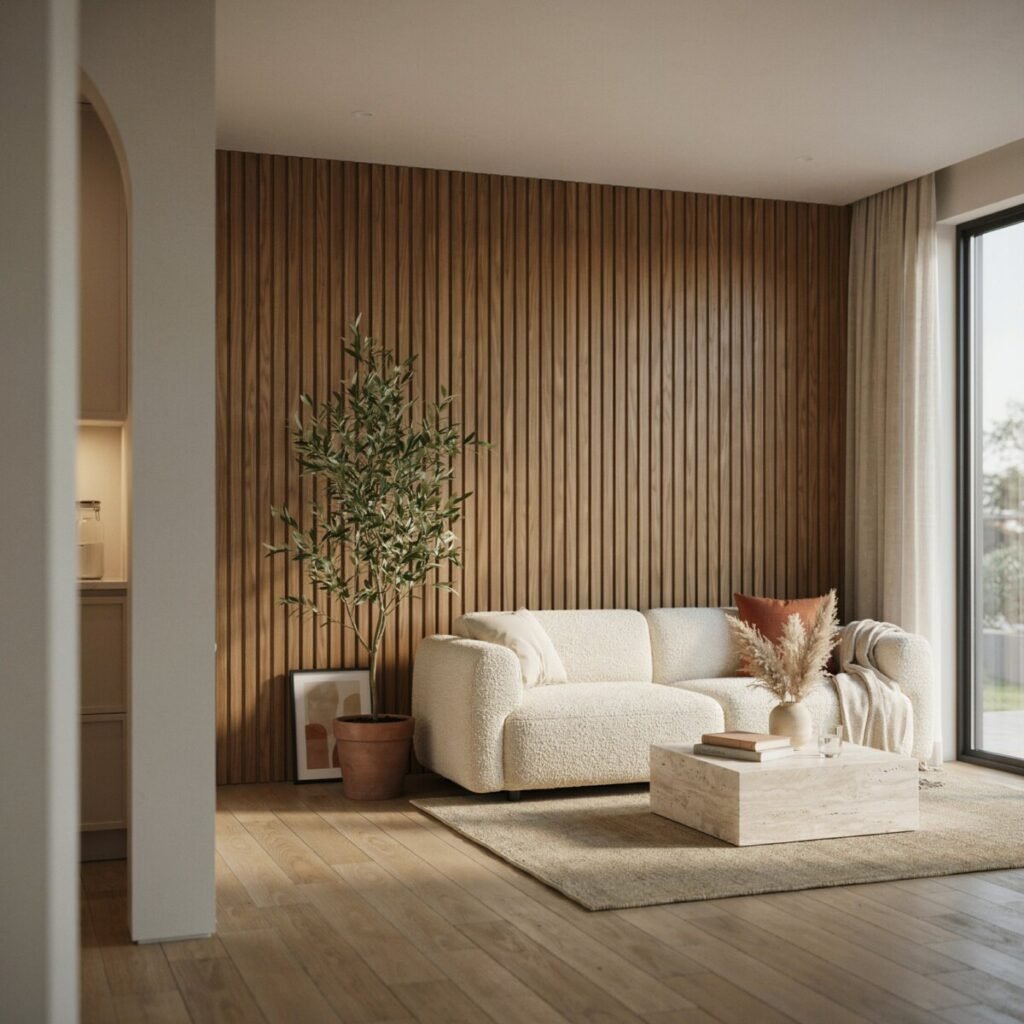
What Is a Feature Wall?
A feature wall (also called an accent wall) is a single wall deliberately designed to stand out from the surrounding surfaces. Unlike general wall décor—where every wall receives the same paint color or similar treatment—a feature wall uses contrast in color, texture, material, or pattern to draw the eye.
That contrast can come from:
- A bold paint color or geometric accent wall pattern
- Wallpaper with a striking print or textured wallpaper surface
- Wood paneling, shiplap, or a wood slat wall
- Stone veneer or brick
- Built-in shelves, gallery wall arrangements, or decorative wall molding
- Architectural details like wainscoting living room treatments
The key principle: one wall gets the spotlight. The remaining walls play a supporting role, keeping the room cohesive rather than chaotic.
How to Choose the Best Wall for an Accent Wall
Knowing how to choose an accent wall saves you from a costly do-over. Here’s where to look first:
- Behind the sofa. The most classic choice. A painted feature wall or wallpaper panel here creates an instant backdrop for seating.
- The fireplace wall. A fireplace feature wall is practically built for emphasis. The mantel and hearth already provide architectural interest.
- The TV wall. TV feature wall ideas work well when you want to disguise a large black rectangle and integrate it into the design.
- The wall visible from the entryway. This gives guests an immediate “wow” moment and sets the tone for the home.
- A dining or seating zone in an open-concept layout. In open-concept living room design, a feature wall helps define separate areas without adding partitions.
Walls to skip (or handle carefully): Surfaces crowded with windows, multiple doors, or bulky built-ins. Too many interruptions fragment the design. If you must use such a wall, let the pattern or paneling flow around the openings intentionally.
The best wall for an accent wall is the one your eye naturally lands on when you enter the room. Stand at the doorway, look around, and notice where your gaze settles. That’s your answer.
Painted Feature Wall Ideas
A painted feature wall is the fastest, most budget-friendly feature wall you can create. One gallon of quality interior paint and an afternoon can transform the room.
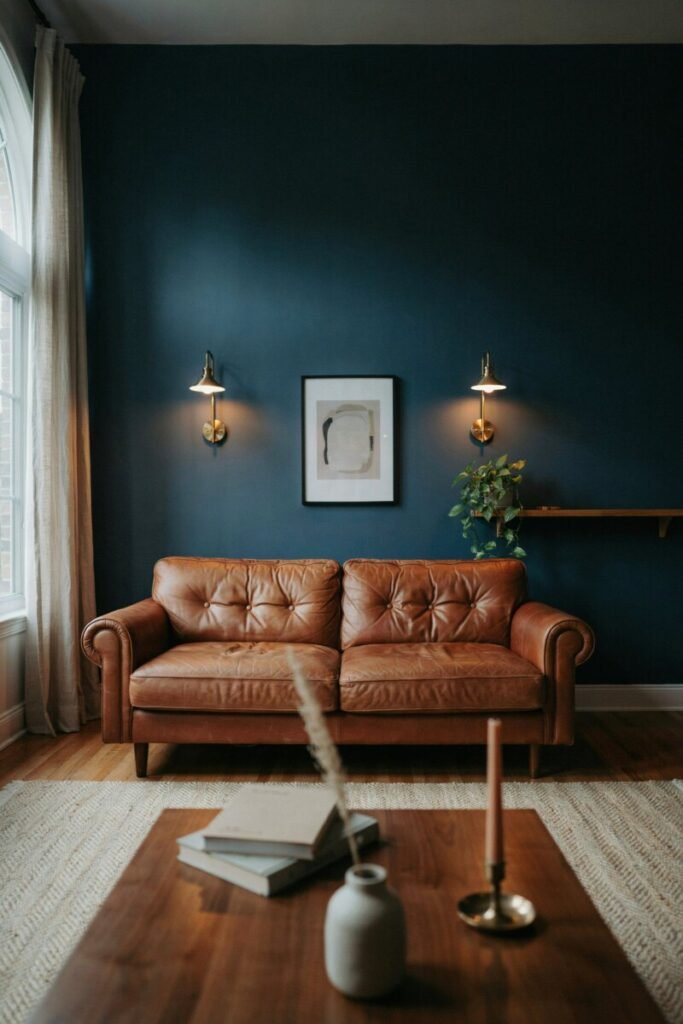
Bold and Dark Accent Wall Colors
Dark accent wall shades have dominated US living rooms for good reason. They add drama, make artwork pop, and create a cozy envelope around seating areas.
- Deep navy or charcoal: Sophisticated and versatile. Pair with brass hardware and warm wood tones.
- Forest green or hunter green: Works beautifully in traditional and transitional interiors.
- Matte black: Striking in modern spaces, especially behind a TV or gallery wall.
- Burgundy or oxblood: A rich, unexpected choice for luxury living room feature wall designs.
Warm and Neutral Options
Not every accent wall paint idea needs to shout. A neutral living room feature wall can add depth without overwhelming:
- Greige, warm taupe, or mushroom tones
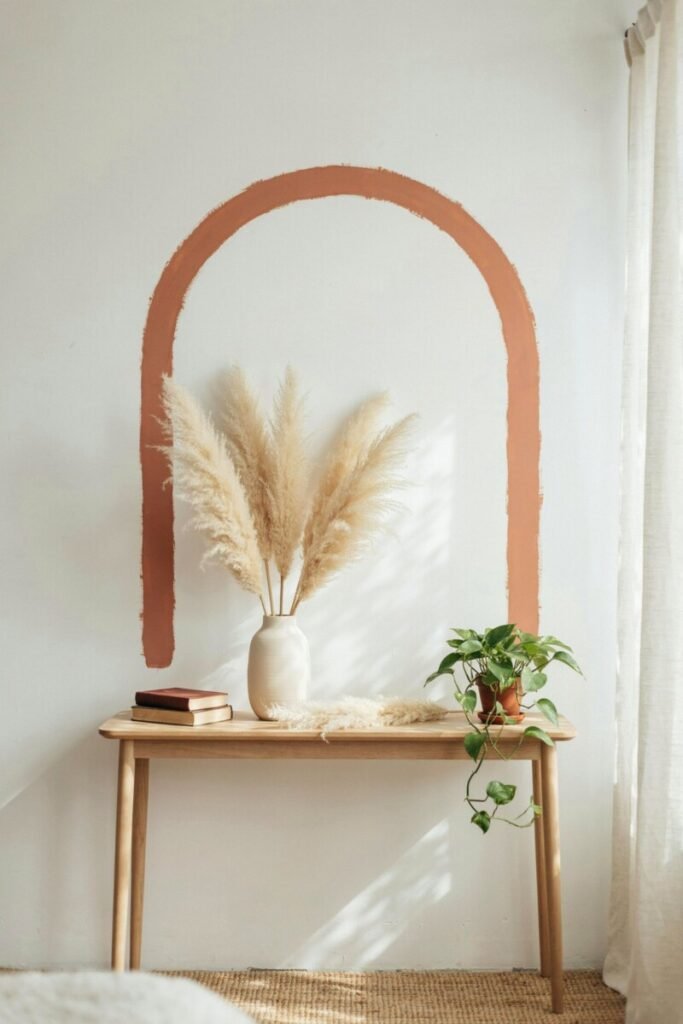
- Terracotta and muted clay for a Southwestern or Mediterranean feel
- Soft sage or dusty rose for a gentle contrast
Creative Paint Techniques
- Two-tone walls: Paint the lower third a darker shade and the upper portion a lighter one, separated by a chair rail or clean line.
- Color blocking: Use painter’s tape to create oversized rectangles or asymmetrical shapes.
- Painted arches: A single arch painted behind a sofa or console table adds softness and a modern, sculptural feel.
- Geometric accent wall patterns: Diagonal stripes, chevron, or triangle motifs using two or three coordinating colors.
- Vertical stripes: A classic trick to make ceilings appear taller—ideal for a small living room accent wall.
Practical Paint Tips
- Finish matters. Use eggshell or satin for most living room walls; choose matte for very dark colors to reduce sheen and hide drywall imperfections.
- Test swatches. Paint 2′ × 2′ sections and observe them morning, noon, and night. Lighting shifts color dramatically.
- Balance dark paint with light. If the room lacks natural light, add layered artificial lighting so the space doesn’t feel cave-like.
- Accent wall color combinations: Pull one hue from your rug, throw pillows, or artwork to keep the palette unified.
Wood Accent Wall Ideas for Living Rooms
Wood brings warmth, texture, and a tactile quality that paint simply can’t replicate. A wood accent wall living room design ranges from rustic to ultra-modern depending on species, orientation, and finish.
Popular Wood Wall Styles
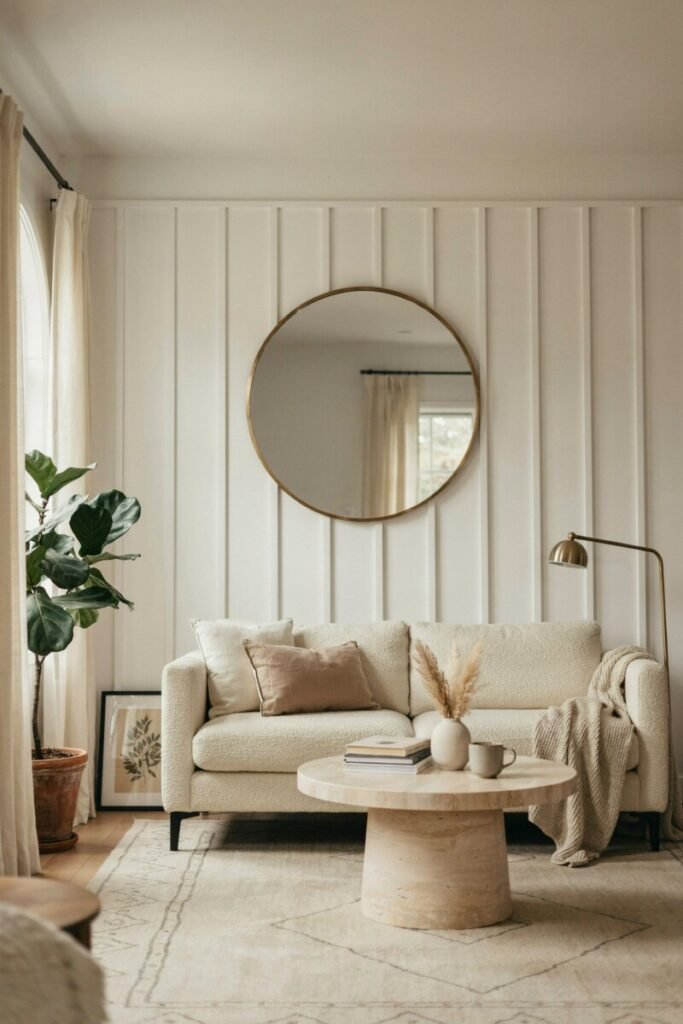
- Vertical wood slat wall: Thin, evenly spaced slats (often walnut, oak, or painted MDF) create rhythm and shadow lines. This is one of the most popular modern living room wall decor trends right now.
- Shiplap accent wall: Horizontal overlapping boards evoke a relaxed, coastal, or farmhouse aesthetic. Paint them white for a classic look or leave natural pine for warmth.
- Board and batten wall: Vertical battens over flat panels add traditional structure. Works in both painted finishes and stained wood.
- Reclaimed wood feature wall: Barn wood, pallet wood, or salvaged planks give instant character and a story. Seal properly to prevent splinters.
- Fluted wood panels: Rounded grooves add a soft, sculptural texture that pairs well with curved furniture.
- Painted MDF wall paneling: An affordable alternative to solid hardwood. Cut MDF strips into grid or frame patterns, then paint any color.
Practical Considerations
- Cost: Reclaimed wood and premium hardwoods (walnut, white oak) run $8–$20+ per square foot. MDF or pine options drop to $2–$6 per square foot.
- Installation: Shiplap and board and batten are manageable DIY accent wall projects with a nail gun and level. Full wood slat walls may benefit from professional installation, especially on uneven drywall.
- Maintenance: Wipe with a damp cloth. Avoid harsh chemicals on natural finishes.
- Warmth factor: Wood absorbs and reflects light softly, making a living room feel cozier in winter and more organic year-round.
Wallpaper Feature Wall Ideas
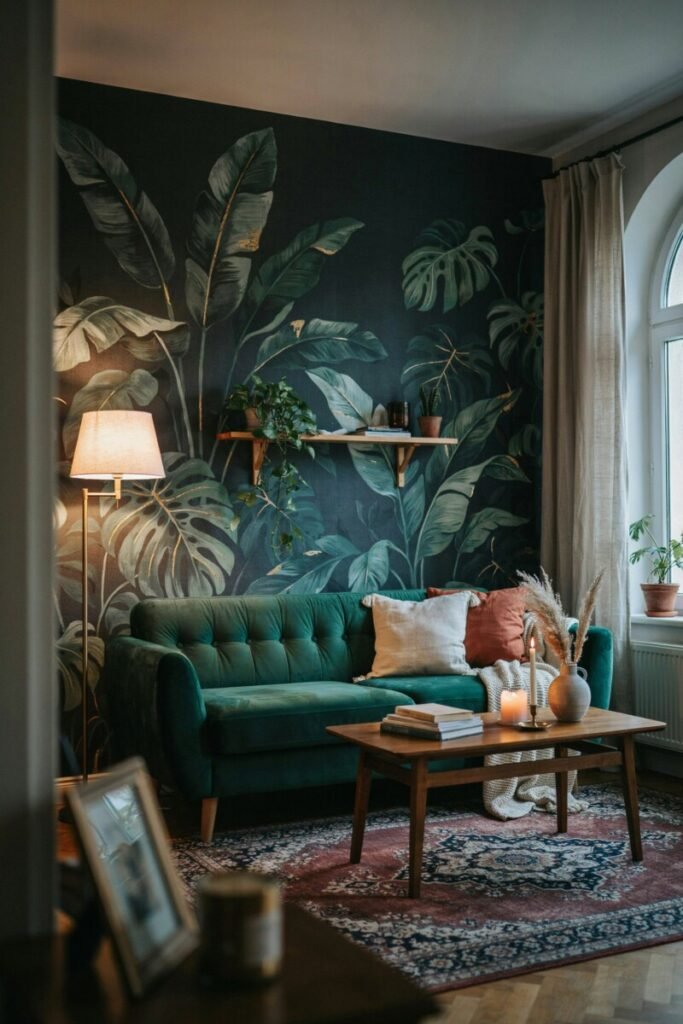
Wallpaper has exploded in variety and accessibility. Today’s living room wallpaper ideas range from delicate botanicals to bold abstract murals, and installation is easier than ever.
Styles to Consider
- Botanical wallpaper: Oversized leaves, tropical prints, or vintage floral patterns for a lush, layered look.
- Abstract wallpaper: Brushstrokes, watercolor washes, or geometric line art suit contemporary and mid-century interiors.
- Vintage-inspired prints: Toile, damask, or Art Deco motifs for traditional spaces.
- Grasscloth-inspired and textured wallpaper: Adds subtle depth and a natural-fiber look without actual maintenance concerns.
- Murals: A single panoramic scene—mountains, cityscape, abstract gradient—turns the wall into artwork.
Peel-and-Stick Wallpaper for Renters
Peel and stick wallpaper is a game-changer. It adheres to smooth drywall, removes cleanly, and requires no paste or professional tools. Perfect for apartments and anyone who wants a wallpaper feature wall without long-term commitment.
Choosing Pattern Scale
- Small living rooms: Opt for smaller-scale prints or subtle textures so the pattern doesn’t overwhelm. A tiny geometric repeat or a tone-on-tone grasscloth look keeps things airy.
- Large or open-concept rooms: Go bold. Oversized botanicals, large murals, or wide geometric patterns fill the space confidently.
Coordinating the Room
Pull one or two colors from the wallpaper into your curtains, rug, or throw pillows. Keep adjacent walls in a solid, complementary shade so the wallpaper feature wall remains the star.
TV and Fireplace Feature Wall Ideas
In most US homes, the TV and fireplace share real estate on the same wall. Designing around them requires balancing function and style.
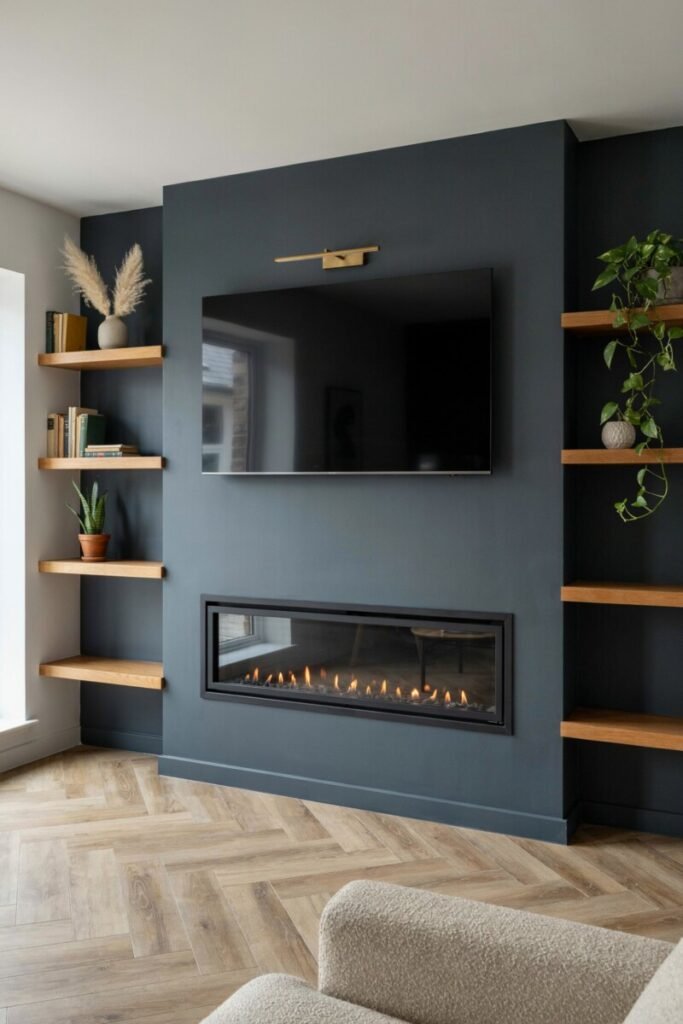
- TV mounted over a fireplace: Use a wood slat wall or shiplap accent wall behind both to unify the zone. Add a mantel shelf for décor to soften the electronics.
- Built-in cabinets around a fireplace: Flanking bookshelves or closed cabinets hide media gear and create a polished, custom look. This is a classic built-in shelves feature wall approach.
- Wood slat TV wall: Mount the TV flush against vertical slats. Run cables behind the slats for concealed cable management.
- Painted fireplace surrounds: A dark accent wall color around a white or brick fireplace creates instant contrast.
- Stone-look panels: Lightweight faux-stone panels (polyurethane or PVC) give the look of stacked stone at a fraction of the weight and cost.
- Wallpaper behind a media console: A bold print peeking above and around a low console adds personality without competing with the screen.
Pro tip: Mount the TV at seated eye level (center of screen roughly 42–48 inches from the floor). Too-high placement strains the neck and makes the wall feel disconnected.
Feature Wall Ideas for Small Living Rooms
A small living room accent wall needs restraint. The goal is to add interest without shrinking the space.
- Choose lighter colors or subtle texture rather than heavy darks.
- Install a vertical slat wall to visually raise the ceiling.
- Use one mural wall instead of multiple framed pieces—less clutter, more impact.
- Add a mirror or two wall sconces to bounce light and create the illusion of depth.
- Select small-scale wallpaper patterns or tone-on-tone designs.
- Avoid overly dark colors if the room has little natural light; they’ll make it feel smaller.
- A gallery wall with matching frames in a tight grid keeps things orderly and intentional.
Budget-Friendly DIY Accent Wall Projects
You don’t need a contractor to achieve a stunning living room wall makeover. Here are realistic DIY accent wall options ranked by investment:
| Investment Level | Project | Approximate Cost (USD) |
|---|---|---|
| Low ($20–$60) | One-gallon paint makeover; painted arch; framed wallpaper panels | $25–$60 |
| Low–Medium ($50–$150) | Peel-and-stick wallpaper; gallery wall with thrifted frames; picture-frame molding (thin trim + paint) | $50–$150 |
| Medium ($100–$350) | Board and batten using MDF strips; DIY wood slat wall (pine or poplar); decorative wall molding grid | $100–$350 |
| Higher ($350–$1,000+) | Full shiplap wall; reclaimed wood feature wall; textured wallpaper with professional installation; built-in shelves feature wall | $350–$1,000+ |
All of these are achievable over a weekend with basic tools: a level, tape measure, miter saw or hand saw, construction adhesive, and a nail gun or hammer.
How to Style and Light a Feature Wall
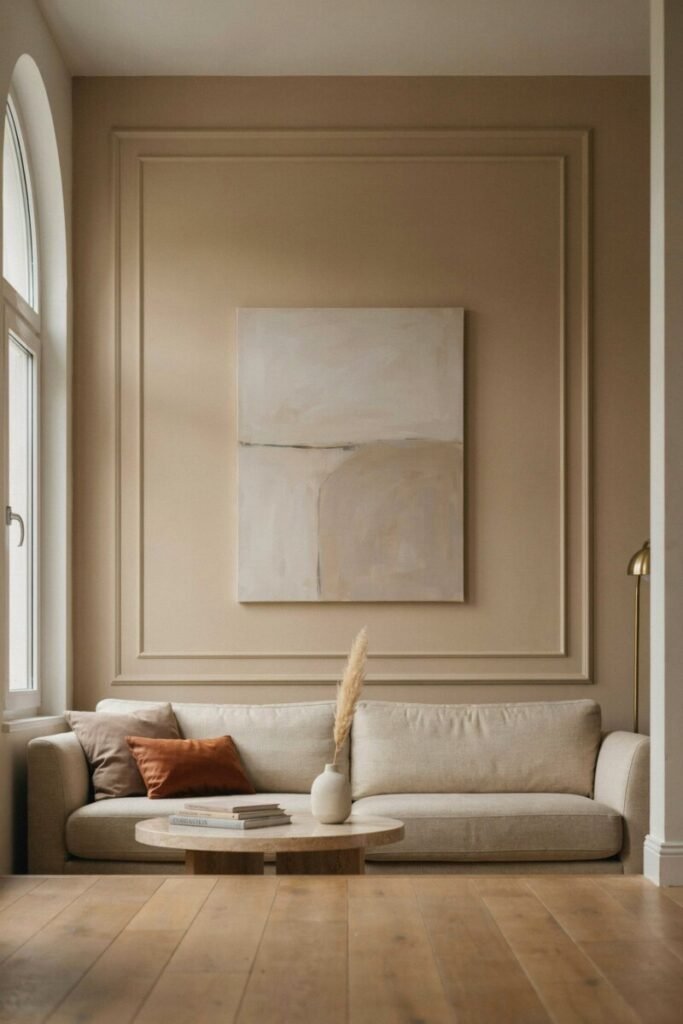
Feature wall lighting and styling turn a flat surface into a layered, inviting vignette.
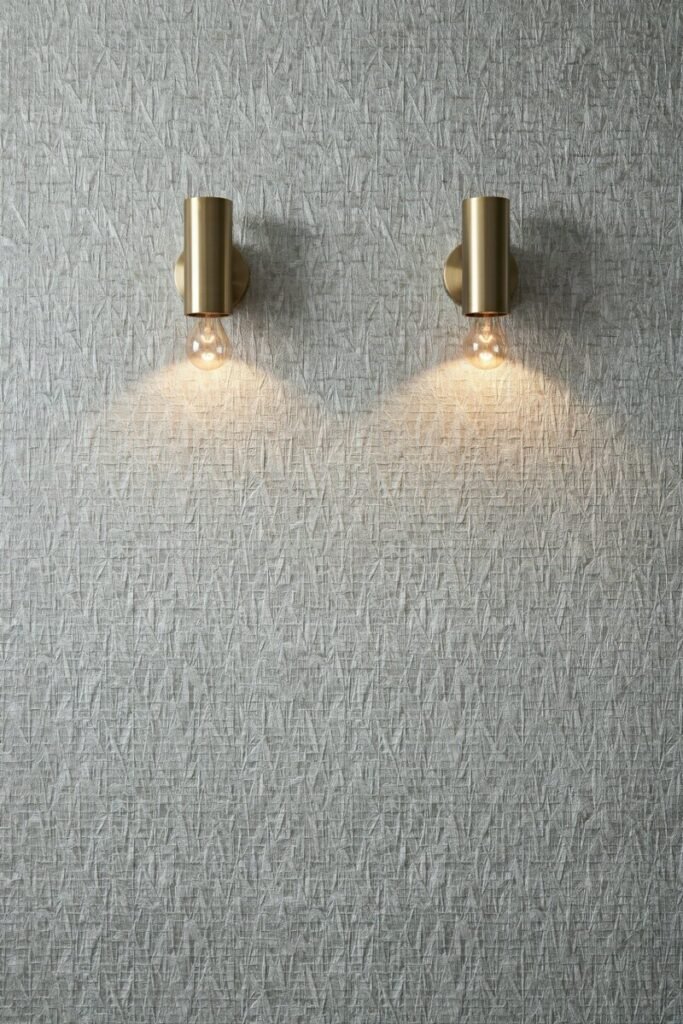
- Wall sconces or picture lights highlight artwork or wallpaper texture.
- LED backlighting behind a mounted TV reduces eye strain and adds a modern glow to a TV feature wall.
- Floor lamps placed at either side of the wall create symmetrical pools of warm light.
- Floating shelves hold books, ceramics, and small plants without overwhelming the surface.
- A console table beneath artwork anchors the wall and provides display space.
- Mirrors reflect light and make the wall feel expansive.
- Trailing plants (pothos, string of pearls) soften hard edges on wood or paneling.
Lighting is especially critical for dark paint, textured wallpaper, and wood grain. Without adequate illumination, these materials lose their depth. Aim for a mix of ambient, task, and accent lighting to keep the feature wall looking intentional after sunset.
Common Feature Wall Mistakes to Avoid
- Choosing a random wall with no visual purpose. If the wall doesn’t anchor furniture, a fireplace, or an entry sightline, the design feels arbitrary.
- Using a pattern that clashes with existing furnishings. A busy floral wallpaper fights a bold striped sofa. Coordinate, don’t compete.
- Installing a TV too high. It looks awkward and causes neck strain.
- Overcrowding the wall. Too many frames, shelves, and décor items create visual noise. Edit ruthlessly.
- Ignoring lighting conditions. A gorgeous dark green reads muddy in a windowless room.
- Selecting materials that violate rental restrictions. Check your lease before nailing into drywall or applying permanent adhesives. Peel and stick wallpaper and removable hooks are renter-safe.
- Skipping samples. Always test paint swatches, wallpaper samples, and wood stain on the actual wall before committing.
Conclusion
The best feature wall ideas for living rooms aren’t about following a single trend—they’re about choosing a treatment that suits your room’s architecture, your lifestyle, your budget, and your personal style. A deep navy painted feature wall can be just as breathtaking as a luxury living room feature wall clad in walnut slats. Peel-and-stick wallpaper can transform a rental just as effectively as custom millwork transforms a forever home.
Start with one focal wall. Decide whether paint, wood, wallpaper, or a combination speaks to you. Test your samples. Plan your lighting. Then build the rest of your living room décor around that single, confident statement. You’ll be amazed at how one wall can change the way an entire space feels.
FAQ: Feature Wall Ideas for Living Rooms
1. Which wall should be the feature wall in a living room?
Choose the wall your eye naturally lands on when you enter—typically behind the sofa, around the fireplace, or opposite the main doorway. In open-concept spaces, pick the wall that defines a seating or dining zone. Avoid walls broken up by multiple windows or doors.
2. Are feature walls still in style in 2026?
Absolutely. Feature wall design has evolved from the bold single-color accent walls of the 2010s to more textured, material-rich treatments: wood slats, plaster finishes, murals, and tone-on-tone paneling. The emphasis now is on texture, craftsmanship, and integration with the room’s overall palette rather than a lone splash of contrasting color.
3. What is the cheapest way to create an accent wall?
A single gallon of interior paint ($25–$60) is the most affordable option. Peel-and-stick wallpaper ($40–$100 for a standard wall) is a close second and ideal for renters. Picture-frame molding using thin MDF trim and paint can be done for under $75.
4. Is wallpaper or paint better for a living room feature wall?
Neither is universally better. Paint is cheaper, easier to touch up, and offers unlimited color matching. Wallpaper adds pattern, texture, and visual richness that paint can’t replicate. For high-traffic homes with kids or pets, washable paint or vinyl wallpaper tends to be more practical. For a luxury look, textured wallpaper or a mural delivers impact.
5. Can I put wallpaper behind a TV?
Yes. Just ensure the TV is mounted securely into studs or proper drywall anchors, and route cables behind the wallpaper before hanging it. Avoid heavily textured wallpaper directly behind the screen, as it can create shadows. A subtle geometric or tone-on-tone pattern works well as a backdrop.
6. What color works best for a small living room accent wall?
Soft, mid-tone colors like warm gray, sage, muted terracotta, or a dusty blue add depth without closing the space in. If you prefer darker hues, balance them with ample lighting and reflective surfaces. Avoid very dark, saturated colors in rooms with minimal natural light.
7. How do I make a feature wall look expensive?
Focus on material quality, clean lines, and layered lighting. Board and batten or decorative wall molding painted in a refined finish, a well-installed wood slat wall, or a professionally hung textured wallpaper all read as high-end. Add picture lights or sconces, keep décor minimal, and ensure crisp, straight installation. Symmetry and intentional spacing elevate any treatment.
