
Why Your $20K Kitchen Remodel Became a $35K Nightmare
Meet Sarah from San Diego. She planned a modest $20,000 kitchen remodel—new cabinets, countertops, and flooring. Six weeks later, her invoice hit $35,000. How? Unclear contracts, unapproved change orders, and zero negotiation with her contractor. Sarah’s story isn’t unique. 72% of US homeowners exceed their renovation budget, often because they skip one critical step: negotiate with contractors before signing.
The truth? Smart contractor negotiation tips save 10–30% on home renovation costs—that’s $2,500–$7,500 on a $25,000 kitchen project. In California, where labor costs run 25% higher than the national average, this could mean avoiding a $10,000 budget blowout. Yet most homeowners treat contractor quotes like grocery receipts—accepting the first number they see.
Here’s what seasoned renovators know: Negotiating isn’t haggling. It’s strategic collaboration. By comparing bids, clarifying scopes, and locking ironclad contracts, you protect your investment and build trust. In this guide, you’ll learn:
- Why contractor quotes vary wildly (hint: it’s not just greed)
- 8 preparation steps that make contractors want to work with you
- Scripts to negotiate line-item costs without sounding cheap
- Payment schedule protection clauses that prevent “surprise” fees
Follow these steps, and you’ll secure the best price without sacrificing quality. Let’s turn your renovation from stressful to stellar.

Why Contractor Prices Vary So Much Across the US
Ever wonder why a bathroom remodel costs $18,000 in Dallas but $28,000 in Boston? It’s not just “coastal pricing.” Let’s unpack the real drivers:
Regional Labor & Material Costs
- Northeast/Metro Areas: NYC contractors charge 40% more for labor due to union wages and overhead. A $50/hr handyman in Ohio earns $70/hr in Manhattan.
- Material Fluctuations: Lumber prices spiked 300% during 2021–2022. Contractors in wildfire-prone California pay 15% more for fire-rated drywall.
- Permit Fees: Los Angeles charges $1,200+ for a kitchen permit; Houston averages $300.
Hidden Fees That Inflate Your Bill
Contractors rarely disclose these upfront:
- Change orders ($500–$2,000 per request) for “minor” tweaks like moving an outlet
- Demolition surprises (e.g., asbestos in 1970s homes adding $3K–$8K)
- “Soft costs” like project management (10–15% of total)
Average US Home Renovation Costs (2026)
| Project | National Avg | NYC/Metro Avg | Midwest Avg | Key Cost Drivers |
|---|---|---|---|---|
| Kitchen Remodel | $25,000 | $35,000 | $21,000 | Cabinets (40%), Labor (30%) |
| Bathroom Upgrade | $15,000 | $22,000 | $12,500 | Tile (25%), Plumbing (30%) |
| Roof Repair (500 sq ft) | $8,500 | $12,000 | $6,800 | Materials (60%), Permit delays (15%) |
💡 Pro Insight: A vague scope (“update bathroom”) invites inflated quotes. Contractors pad estimates for unknowns. Specify everything: “Replace tub with 60″ acrylic shower, Kohler fixtures, tile to ceiling.”
Step-by-Step Preparation Before Negotiating
Skipping prep is like shopping for a car without checking Kelley Blue Book. Follow these 8 steps to enter negotiations with confidence:
1. Research Local US Building Codes Compliance
California’s Title 24 energy codes require LED lighting and insulation upgrades—adding $1,200+ to kitchen remodels. Check your city’s building department site before getting bids. Ignoring this risks failed inspections and costly rework.
2. Get 3–5 Itemized Bids (Not Ballpark Figures)
⚠️ Critical: Demand line-item breakdowns. A bid like “Kitchen remodel: $25,000” is useless. You need:
- Cabinets: $8,500 (specify material: birch plywood, not particleboard)
- Labor: $7,200 (hours × rate)
- Permits: $450 (receipt required)
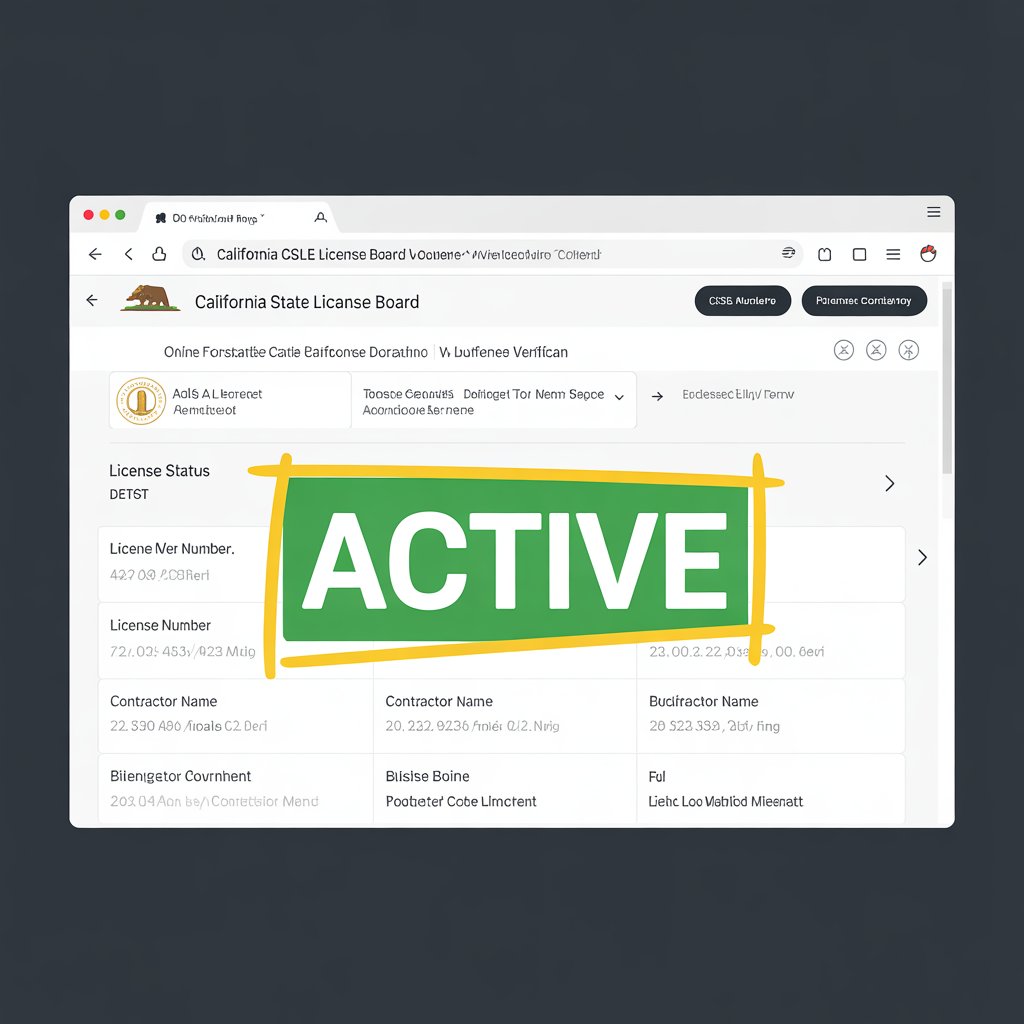
3. Verify Licensing & Insurance via State Sites
- California: Use the CSLB License Check
- Texas: Search TDLR
- All States: Confirm workers’ comp coverage (uninsured injuries become your liability).
4. Define Your Scope of Work Like a Pro
Use Houzz’s Renovation Scope Template to specify:
“Install 36″ Fisher & Paykel fridge (model FPBID48SS), not generic ‘stainless steel.'”
“Tile: 12×24 porcelain, matte finish, 1/8″ grout lines.”
5. Learn DIY vs. Professional Quotes
You can save 20% on tasks like painting or demo—but never electrical/plumbing. Apps like Angi Instant Estimate show realistic DIY savings.
6. Budget 10–20% for Contingencies
That “simple” bathroom remodel? Add $1,500 for hidden mold or pipe corrosion.
7. Check Reviews on Angi & HomeAdvisor
Filter for “change order complaints“—a red flag for scope creep.
8. Time Bids for Off-Season Discounts
Roofers slash prices 15–20% in winter (Dec–Feb). Kitchen contractors have slower months in September–October.
Mastering the Negotiation Conversation
Negotiation isn’t confrontation—it’s problem-solving. Use these scripts to reduce costs while building trust:
📞 Email Template: Requesting an Itemized Bid
Subject: Bid Review for [Project] – Let’s Optimize Together
Hi [Contractor],
Thanks for your quote! To help me compare fairly, could you break down labor/material costs per line item? For example:
- Cabinets: $X (materials) + $Y (labor)
- Countertops: $X (materials) + $Y (labor)
This helps us identify where we might adjust scope without sacrificing quality. I’m excited to partner with you!
💬 Handling Price Objections (With Scripts)
| Contractor Says | Your Response (Cost-Saving Tactics) |
|---|---|
| “Materials are expensive.” | “I found [Supplier] offering quartz at $55/sq ft vs. your $70. Can we use this quote to adjust?” |
| “That’s our lowest price.” | “I have a competing bid at $22K. If you match it, I can sign today and pay 10% deposit upfront.” |
| “Change orders are standard.” | “Let’s add a clause limiting changes to <5% of total cost without written approval.” |
🔑 Scope of Work Negotiation Tactics
- Material Swaps: “Instead of $120/sq ft marble, can we use $65/sq ft quartz with a honed finish?”
- Phased Payments: “I’ll pay 15% upfront if you include a 5% discount for on-time completion.”
- Value Engineering: “Can we skip the backsplash tile and add a budget-friendly peel-and-stick alternative?”
🌟 Real Example: Maria in Austin saved $3,200 on her bathroom remodel by asking her contractor to source tile directly from a Dallas distributor (cutting material costs by 22%).
🚫 Never Say This
- “I’m on a tight budget” (invites lowballing)
- “Your competitor charged less” (triggers defensiveness)
- “Just make it look good” (guarantees scope creep)
Crafting Ironclad Construction Contracts
A handshake deal is a lawsuit waiting to happen. 90% of renovation disputes stem from poorly written contracts. Demand these clauses:
🔒 Essential Construction Contract Clauses
| Clause Type | What to Demand | Why It Matters |
|---|---|---|
| Pricing Structure | Fixed-price (not time-and-materials) | Prevents cost overruns from “unexpected” labor |
| Payment Schedule | Max 10% deposit; 25% at framing; 25% at drywall; 30% at completion | Stops contractors from taking cash and vanishing |
| Change Orders | Must be signed in writing before work starts | Avoids $500 “surprise” fees for moving a light switch |
| Lien Waivers | Contractor must provide with every payment | Ensures subcontractors (electricians, plumbers) can’t put liens on your home |
| Warranty | Minimum 1-year labor warranty + manufacturer warranties | Covers leaks, cracks, or faulty installs |
📄 Sample Contract Checklist
- [ ] Fixed total price (not "estimate")
- [ ] Start/completion dates with penalties for delays
- [ ] Permits listed as contractor responsibility
- [ ] Detailed scope (materials, brands, finishes)
- [ ] Payment tied to *verified* milestones (not time)
- [ ] Lien waiver requirement for each payment
- [ ] Dispute resolution process (mediation before court)
💡 Pro Tip: In Texas, contractors must include a Notice of Right to Cancel for 3-day rescission. Verify state-specific requirements via BBB.org.

Red Flags and How to Avoid Costly Mistakes
Spot these warning signs before signing:
- Vague Bids: “Kitchen remodel: $20,000” (no line items = hidden fees)
- Pressure Tactics: “Sign today for 10% off!” (reputable contractors don’t rush you)
- Unlicensed Work: “I’ll do it cash to save you 15%” (you lose insurance coverage)
- Ignoring Hidden Fees: No mention of permits, disposal, or cleanup costs
- No Written Contract: Verbal agreements = zero legal recourse
🚩 Real Horror Story: A Denver homeowner paid $5,000 deposit for “roof repairs.” The contractor vanished after demoing shingles—leaving a rain-damaged home. Always verify licenses before paying.
Real US Case Studies and Success Stories
- Texas Deck Rescue: Mark compared 4 bids for a 20×15 ft deck. By asking contractors to use pre-cut lumber kits (reducing labor hours), he saved $8,200 vs. the highest bid.
- California Kitchen Win: Lena negotiated a 12% discount by agreeing to let her contractor use her kitchen for a Houzz photoshoot (saving them $3,000 in staging costs).
- Ohio Roof Repair: Tom scheduled his roof replacement in January—securing a 18% off-season discount ($1,700 savings) from a contractor filling winter gaps.
Conclusion and Actionable Checklist
Negotiate with contractors isn’t about squeezing pennies—it’s about building transparent partnerships that deliver quality and value. You now know how to:
✅ Save 10–30% through strategic bid comparison
✅ Avoid hidden fees with ironclad contracts
✅ Verify credentials to dodge disaster
Remember Sarah from San Diego? After learning these tips, her next renovation came in $4,200 under budget—with a contractor who became her go-to for 3 projects.
📥 Your Next Step: Grab the Free Contractor Checklist
Download our Ultimate Contractor Negotiation Checklist (PDF) to:
- Verify licenses in <60 seconds
- Spot bid red flags
- Lock payment schedules that protect you
- Get 3+ comparable quotes
Ready to negotiate like a pro? Download the free checklist now →
Share this guide with a friend planning renovations—they’ll thank you later!