
The Heart of the Living Room
When you walk into a beautifully designed home, your eyes are immediately drawn to the large furniture pieces: the plush sofa, the statement rug, the striking accent chairs. But if you look a little closer, you’ll notice that the true magic of a room often lies in the details. The coffee table is the unsung hero of the living room. It anchors the seating area, serves as a central gathering point, and offers a prime opportunity to showcase your personal aesthetic. Yet, despite its prominent placement, the coffee table is frequently the first casualty of everyday life, quickly devolving into a chaotic dumping ground for mail, remote controls, and half-empty beverage glasses.
Mastering the art of coffee table styling is one of the most impactful interior design tips you can learn. A well-styled coffee table bridges the gap between a space that looks like a sterile furniture showroom and one that feels like a warm, inviting, and thoughtfully curated home. It’s all about finding that elusive “Goldilocks zone”—creating an arrangement that is neither too sparse and barren nor too busy and cluttered.
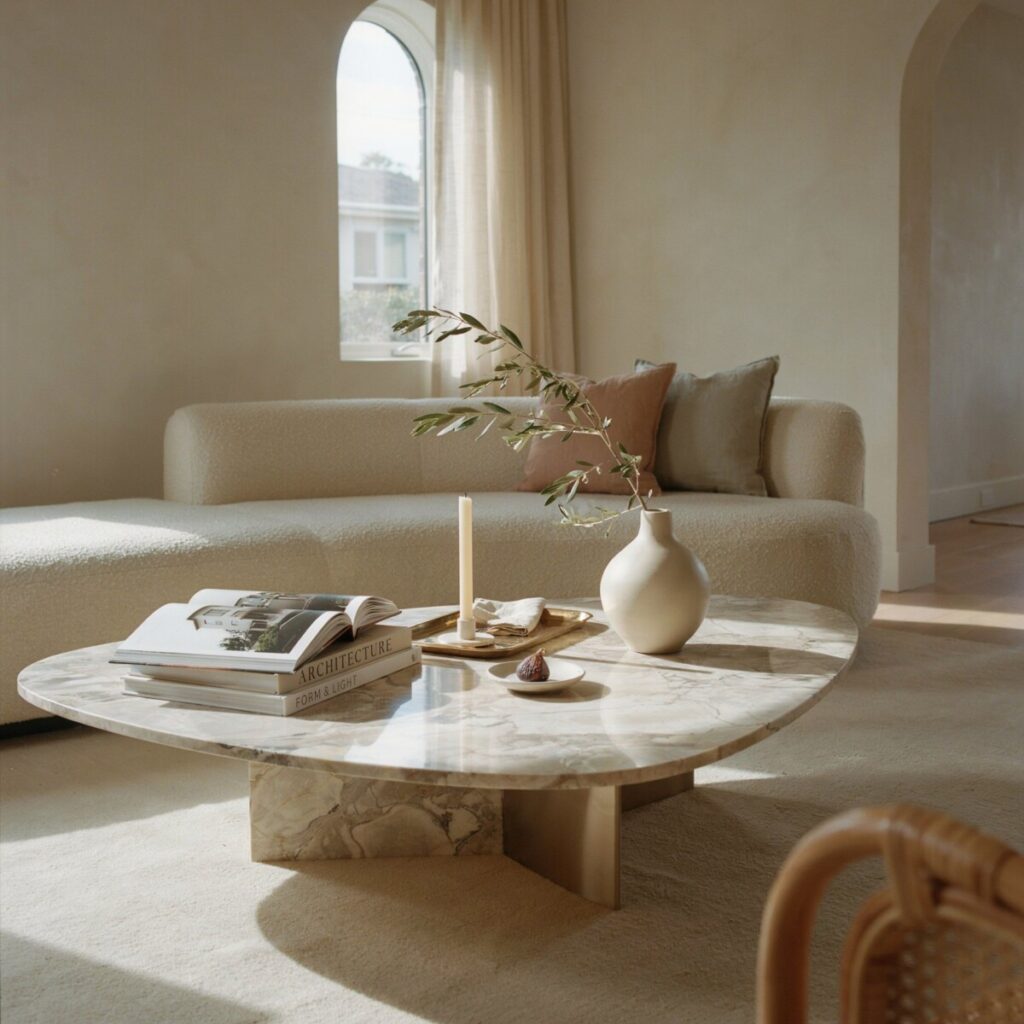
Whether you are completely redesigning your space or simply looking to refresh your living room decor, learning how to decorate a coffee table like a pro can instantly elevate your entire home. In this comprehensive guide, we are pulling back the curtain on interior designer secrets to help you achieve stylish home decor. From mastering the rule of thirds to understanding the delicate balance of visual weight, these actionable table styling tips will help you create a stunning living room centerpiece that is as functional as it is beautiful. Let’s dive into the step-by-step process of achieving designer-inspired decor right in your own living room.
Step 1: Start with a Clean Slate
Before you place a single object on your table, you must start with a blank canvas. It can feel daunting to completely clear off a surface that has accumulated months of everyday items, but this is a non-negotiable first step in professional home styling. If you start moving things around or simply adding new pieces to the existing clutter, you will never be able to see the true potential of the space. You won’t be able to accurately judge scale, balance, or negative space.
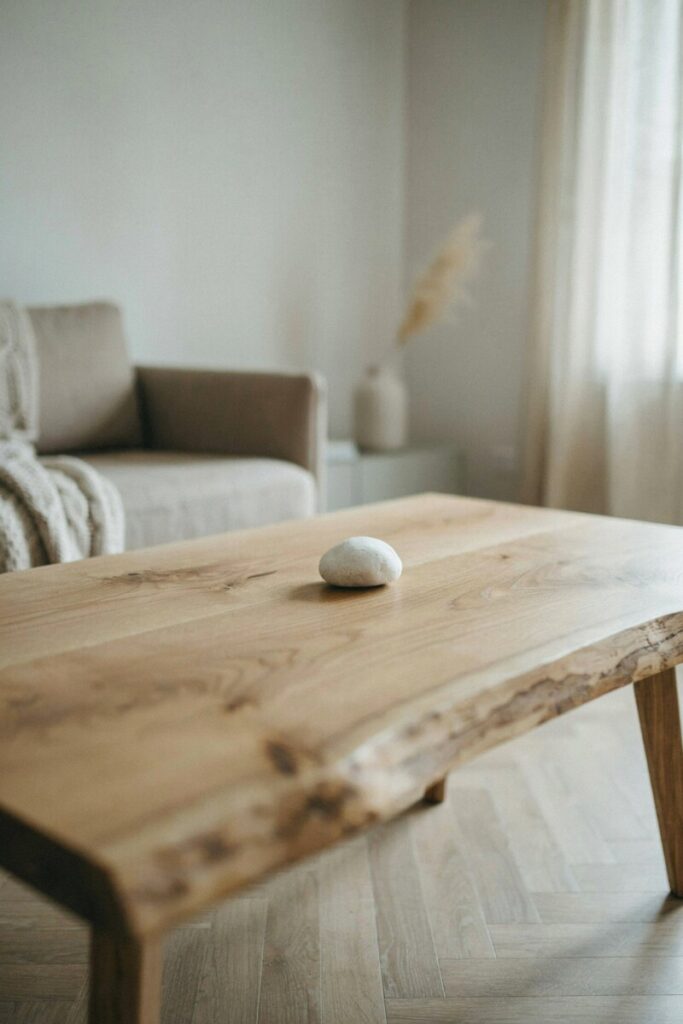
Take everything off the table and give the surface a thorough cleaning. Once it is bare, take a moment to assess the architecture of the table itself. Is it a massive, heavy oak square? Is it a delicate, glass-topped oval? Is it a low-slung, modern lucite piece? The physical proportions and material of your table will dictate the scale and weight of the decorative objects you choose to display.
Perhaps the most important concept to embrace at this stage is negative space. In the world of high-end interior design, empty space is not “wasted” space; it is an active design element. Embracing negative space gives your chosen objects room to breathe, preventing the table from feeling visually heavy and making each individual item feel significantly more important. As master stylist Colin King advises, allowing objects to exist within a generous amount of empty space is the key to making a table look curated rather than cluttered.
Step 2: Choose a Foundation Piece
Every great tablescape needs an anchor—a foundation piece that establishes the perimeter of your arrangement and gives your smaller items a designated home. The two most popular foundation pieces in coffee table decor ideas are decorative trays and stacks of coffee table books.
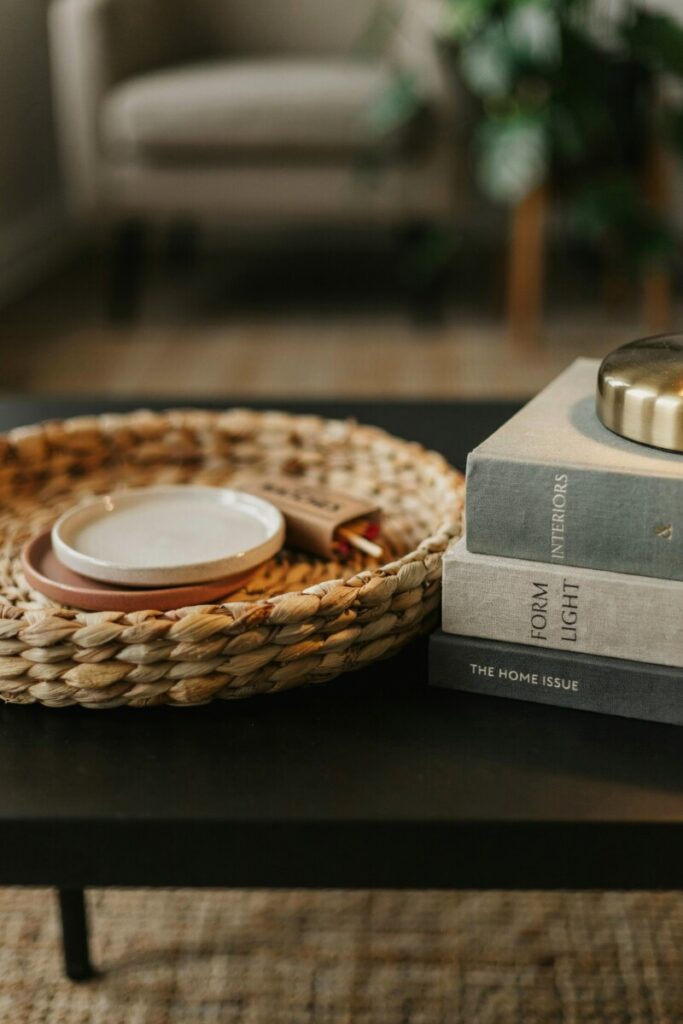
Decorative trays are the ultimate champions of functional decor. They instantly corral smaller, potentially messy items like remote controls, matchboxes, and coasters, keeping them organized while adding a layer of texture and material to the table. As highlighted by design experts, topping a surface with a tray is a classic designer move to instantly define and anchor a space . A woven seagrass tray adds warmth to a neutral room, while a sleek brass or marble tray introduces a touch of luxury to modern living room decor. Some designers even prefer using beautiful, lidded boxes instead of open trays. Boxes offer the brilliant advantage of hiding away visual clutter completely, keeping your balanced decor looking pristine while still providing a chic surface for a small sculptural object or candle.
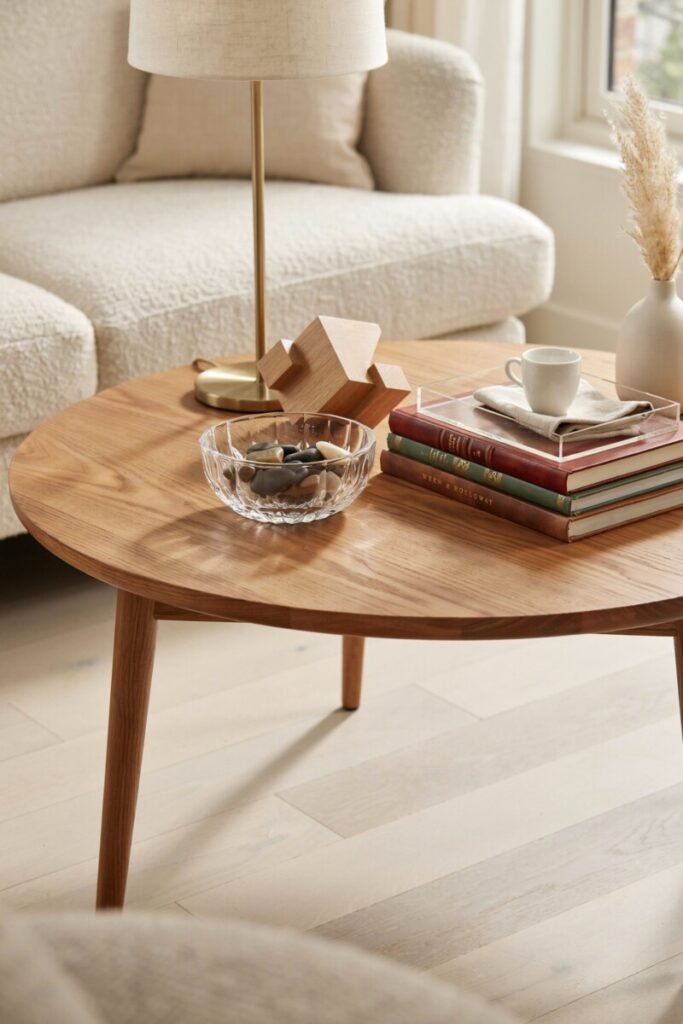
If you opt for books, you are tapping into one of the most beloved interior designer secrets: using books as mini pedestals. Don’t just lay them flat; think of them as architectural topography. Create a stack of two or three books, using them as risers to elevate other objects. This introduces varying levels to your display, which is crucial for visual interest. You don’t need massive, heavy tomes, either. Playing with scale by incorporating smaller pamphlets or art books can add a wonderful, eclectic feel. A pro tip? Orient the covers of the top books so they face the main seating areas. This subtly invites guests to pick them up, flip through them, and engage with your space, transforming your coffee table styling from a static display into an interactive experience.
Step 3: Add Height, Texture, and Contrast
A flat coffee table arrangement is a boring coffee table arrangement. To create a dynamic and visually engaging display, you must incorporate styling with height and layering different textures. This is where the concept of juxtaposition comes into play. High-end interiors are rarely one-note; they thrive on the tension between opposing elements. Think about mixing raw, organic materials with refined, polished ones. Place a rough-hewn wooden bowl next to a sleek, high-gloss ceramic vase. Pair a vintage, leather-bound book with a modern, geometric metal sculpture.
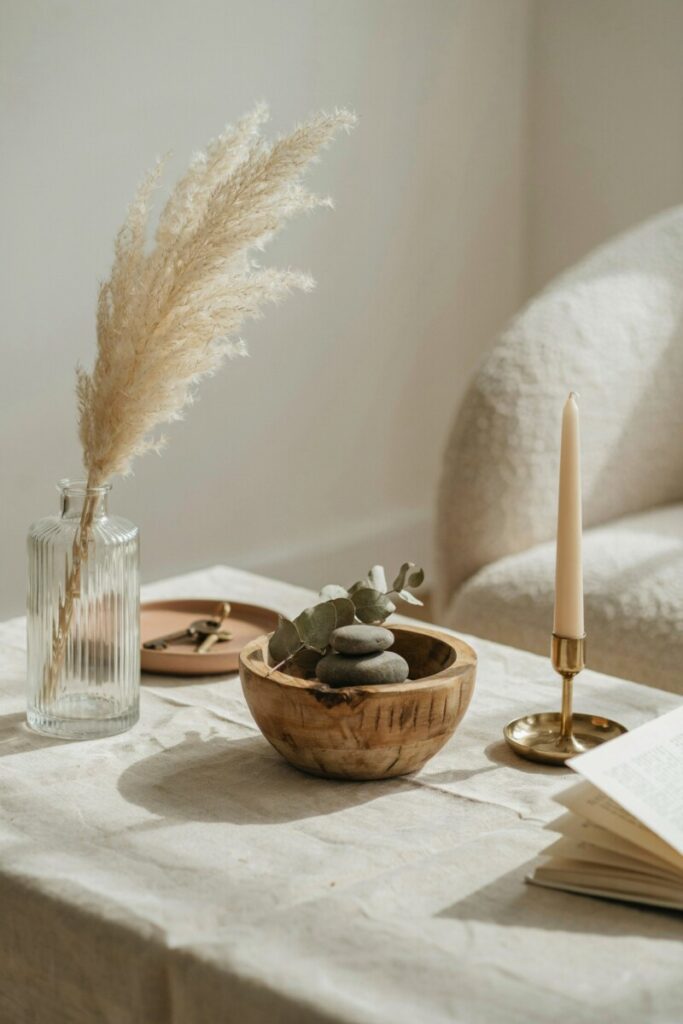
Layering decor is also about guiding the eye around the space. Consider incorporating elements of lighting. While overhead lighting is important, layering lighting at lower levels completely sets the mood. A delicate, sculptural candleholder or a small, battery-operated table lamp placed on the coffee table creates a vignette of interest, illuminating your curated display and enhancing the evening ambience of the room.
Finally, never underestimate the power of bringing the outdoors in. Adding an element of nature is the perfect final touch to soften the hard lines of furniture and decor. However, avoid the trap of thinking you need a massive, overwhelming floral arrangement. Often, a single, striking stem placed in a minimalist bud vase is all you need to breathe life into your coffee table centerpiece. Alternatively, filling a beautiful brass bowl with an artful arrangement of seasonal produce, like lemons or artichokes, adds unexpected texture and a vibrant pop of color.
Step 4: Use the Rule of Three or Grouped Styling
When it comes to arranging your decorative objects, the “Rule of Three” is a golden principle in art, photography, and home styling. The human eye is naturally drawn to odd numbers, and groupings of three (or five, or seven) create a sense of harmony and balance that even numbers simply cannot achieve.
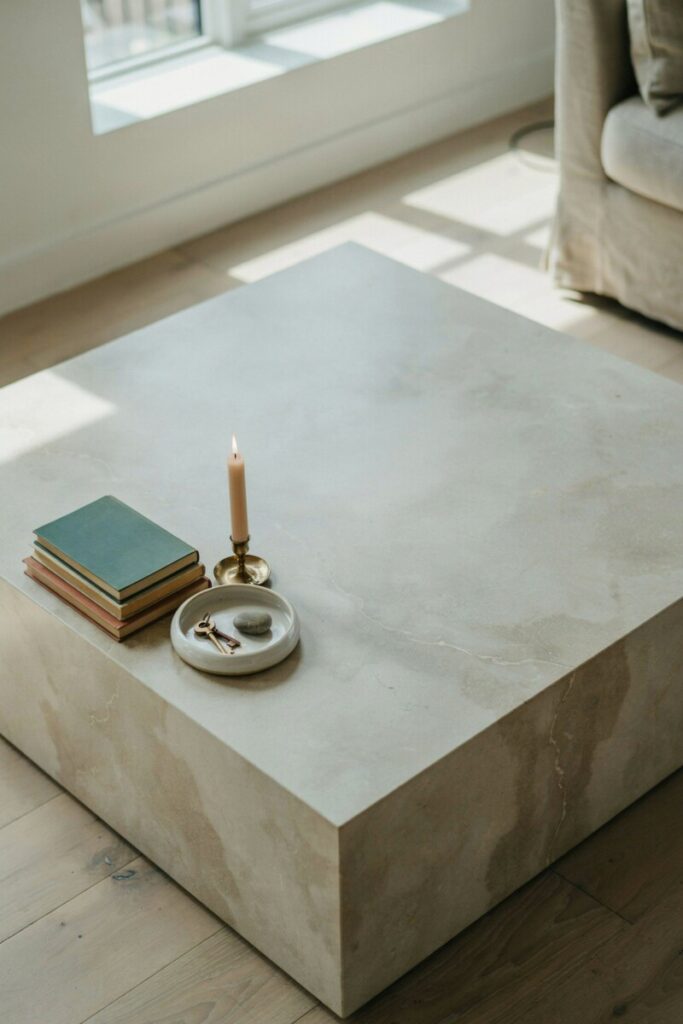
Instead of scattering items evenly across the entire surface of the table, try creating a deliberate cluster or “vignette” of objects. For example, you might group a stack of books, a small ceramic bowl, and a votive candle together on one side of the table. This clustered approach creates a focal point and allows the other half of the table to remain open, honoring the negative space we discussed in Step 1.
When building your cluster, pay close attention to visual weight and symmetry. Balance and symmetry do not necessarily mean that both sides of the table must be mirror images of one another. In fact, strict symmetry can sometimes feel a bit rigid or formal. Asymmetry introduces visual interest and a relaxed, livable tension. If you have a heavy, dark stack of books on the left side of the table, balance it on the right side with an object that has equal visual weight but a completely different shape—perhaps a tall, slender, light-colored vase.
Here is an incredible interior designer secret for checking your composition: use your smartphone camera. Our eyes often get too close to the details and lose sight of the big picture. Step back, pull out your phone, and take a photo of the coffee table. Looking at the arrangement through a 2D screen instantly highlights imbalances, awkward gaps, or areas that feel too cluttered. Trust the picture over your eyes, and tweak the arrangement until the photo looks perfectly composed.
Step 5: Balance Decorative and Functional Items
While we want our coffee tables to look like they belong on the pages of a design magazine, we must never forget their primary purpose: they are meant to be used. A table that is so heavily laden with fragile, expensive decorative objects that you cannot set down a glass of wine or rest your feet is a failure of design. True balanced decor seamlessly marries aesthetics with utility. Ultimately, good coffee table styling design is fundamentally based on making your living space more functional and friendly, rather than just visually appealing .

Think beyond the standard uses for vases, dishes, and bowls, and look for multipurpose items that encourage interaction. A beautifully crafted, wooden chess set or a backgammon board serves as an incredible, sophisticated coffee table centerpiece that acts as a conversation starter and invites play. An ornate magnifying glass can be used to inspect the details of the art books you’ve displayed. A beautiful, heavy brass object can double as a paperweight for magazines.
Furthermore, ensure that your living room centerpiece leaves ample open space for the practical realities of daily life. If you frequently host guests, leave a clear, unadorned zone specifically for setting out appetizers or drinks. If you have small children or pets, you may need to adapt your coffee table styling to avoid fragile glass or easily tipped candles, opting instead for sturdy, heavy objects that won’t easily shatter. The goal is to achieve designer-inspired decor that doesn’t sacrifice comfort and usability.
Step 6: Style for Your Room’s Size and Design Style
Your coffee table does not exist in a vacuum; it is an integral part of your broader living room decor. Therefore, your styling choices must reflect and enhance the overarching design style of your home. Here is how to adapt these principles to various popular American interior styles:
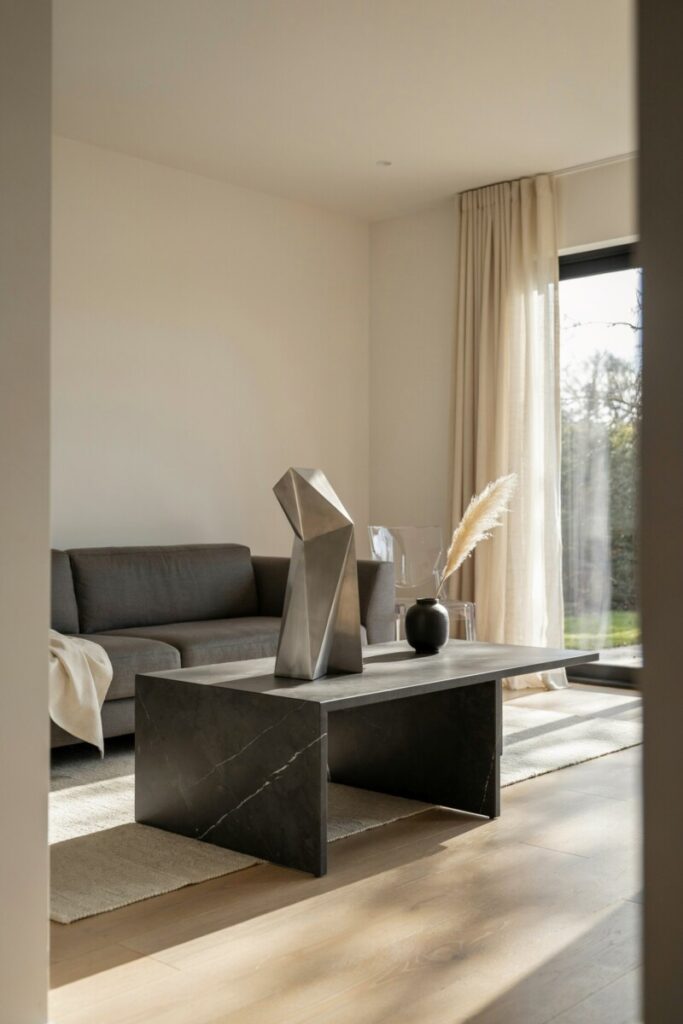
Modern Living Room Decor: Modern design favors clean lines, uncluttered spaces, and a minimalist approach to color. For a modern coffee table, stick to a monochromatic or strictly neutral color palette. Choose sculptural, geometric decorative objects in high-contrast materials like black marble, brushed steel, or clear lucite. Keep the arrangement sparse, relying on the architectural shape of a single, striking object rather than a busy cluster.
Farmhouse Interiors: Farmhouse style is all about warmth, comfort, and rustic charm. Lean heavily into natural textures and organic materials. Use a reclaimed wood or woven rattan tray as your foundation. Stack vintage, cloth-bound books and top them with a weathered ceramic pitcher filled with freshly picked wildflowers or dried eucalyptus. Incorporate elements like galvanized metal, wrought iron, and natural linen to create a cozy, inviting vignette.

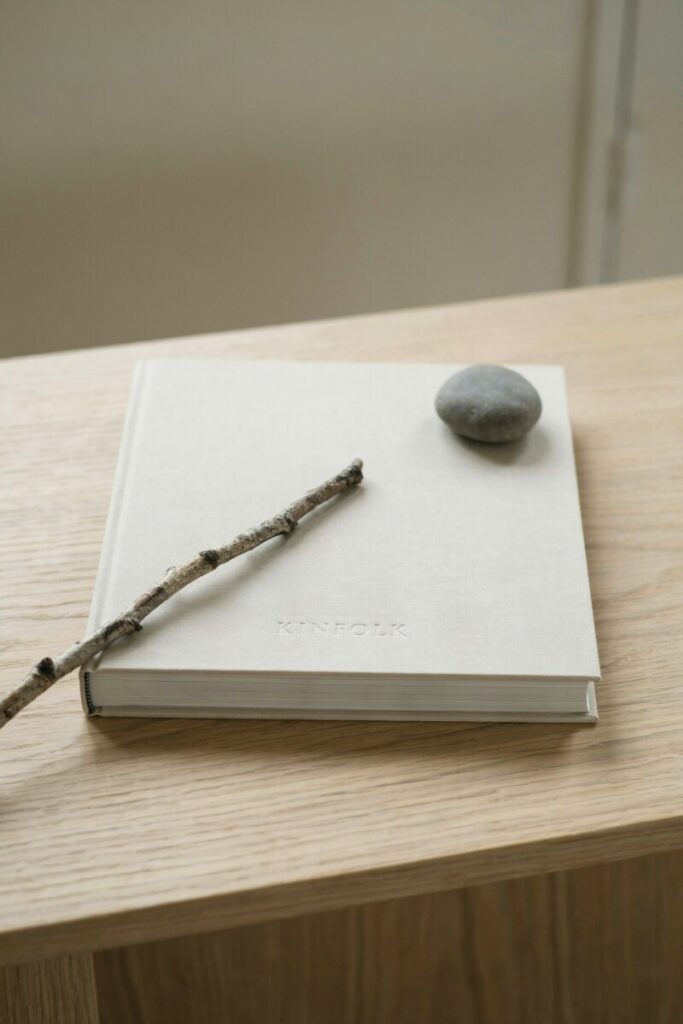
Minimalist Spaces: Minimalism is the ultimate exercise in restraint. The mantra here is “less is more.” Embrace negative space as your primary design element. A single, oversized art book placed perfectly in the center, topped with one small, perfectly spherical stone or a single architectural branch, is all you need. Avoid decorative trays entirely, and ensure every single item on the table has a distinct purpose or brings immense joy.
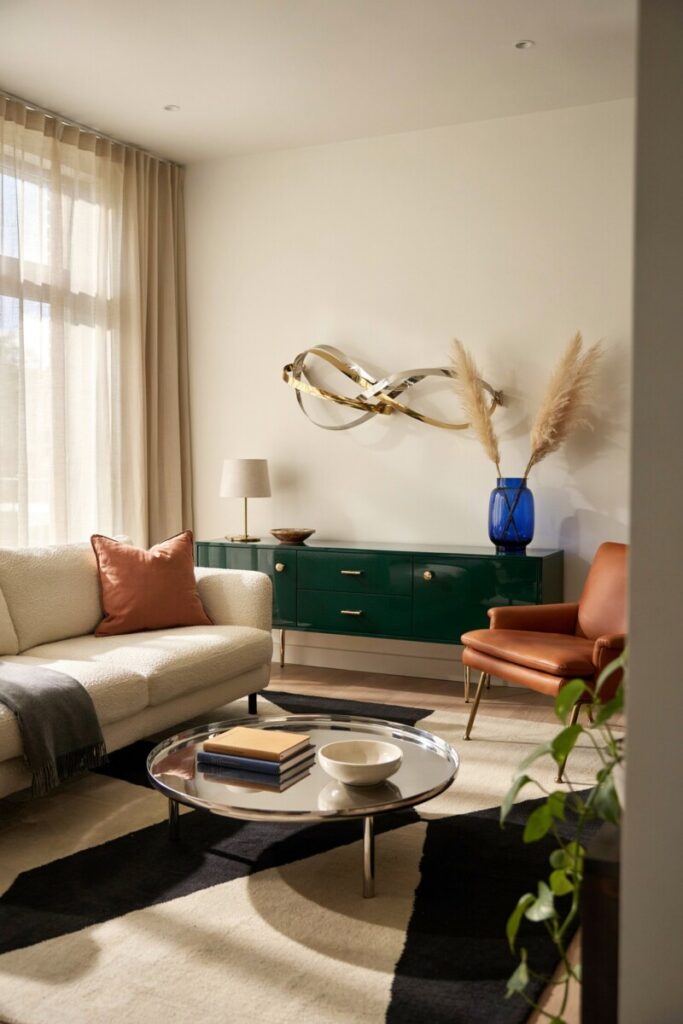
Contemporary Interiors: Contemporary design is current, dynamic, and often a bit bolder than modern design. This is the place to take risks with color and trend-forward pieces. Mix high-gloss lacquer with matte ceramics. Incorporate a bold, colorful glass vase or a piece of abstract, metallic wall-art-style sculpture. Layering different metallic finishes—like mixing brass and chrome—adds a sophisticated, high-end feel to the space.
Transitional Interiors: Transitional design beautifully bridges the gap between traditional and modern. To style a coffee table in this aesthetic, mix classic elements with contemporary shapes. You might use a traditional, ornate crystal bowl, but fill it with modern, geometric wooden blocks or sleek, polished river stones. Pair heavy, traditional leather books with a sleek, modern acrylic tray. This juxtaposition creates a timeless look that feels both grounded and fresh.
Common Coffee Table Styling Mistakes to Avoid
Even with the best intentions, it is easy to fall into a few common traps when learning how to decorate a coffee table. Here are the most frequent mistakes to watch out for:
- Ignoring Scale: Placing tiny, delicate objects on a massive, oversized sectional coffee table will make the decor look lost and insignificant. Conversely, placing massive, heavy objects on a delicate, glass-top table will make the space feel cramped and top-heavy. Always match the scale of your decorative objects to the scale of the furniture.
- Overcrowding the Surface: The urge to display every beautiful trinket you own is strong, but clutter is the enemy of good design. If you have to move three things just to set down your coffee cup, you have too much on the table. Edit ruthlessly.
- Forgetting to Evolve: A coffee table shouldn’t be a static museum exhibit. Your tablescape should be always evolving. Take inspiration from the seasons, swapping out bright, airy glass vases in the summer for rich, textured ceramics and warm amber candles in the autumn. This is a simple, highly effective way to continually update your stylish home decor without buying new furniture.
- Making it Too Perfect: As the famous design quote goes, “There is hope in honest error, none in the icy perfections of the mere stylist.” If your table looks like a rigid, untouchable showroom display, it lacks soul. The ultimate goal of professional home styling is for the arrangement to feel effortless and “unstyled.” Leave a book slightly open, let a throw blanket drape casually over the edge, and allow the space to feel lived-in and loved.
Final Styling Checklist and Conclusion
Before you step back and admire your newly transformed living space, run through this quick, professional checklist to ensure your coffee table styling is flawless:
- [ ] Is the table clean and free of unnecessary clutter?
- [ ] Have I embraced negative space to let the objects breathe?
- [ ] Is there a clear foundation piece (tray, box, or books)?
- [ ] Have I incorporated varying heights to create topography?
- [ ] Are there at least two contrasting textures or materials?
- [ ] Is there an element of nature or organic life?
- [ ] Is the arrangement balanced in visual weight (even if asymmetrical)?
- [ ] Is there enough open, functional space for daily living?
- [ ] Does the styling reflect the broader design style of the room?
Mastering how to decorate a coffee table is one of the most rewarding projects you can undertake in your home. It requires no structural renovations, no expensive contractors, and no massive financial investment—just a keen eye, a little bit of creativity, and an understanding of foundational design principles. By starting with a clean slate, thoughtfully layering height and texture, utilizing the rule of three, and balancing beauty with everyday function, you can easily achieve designer-inspired decor that feels both elevated and deeply personal.
Your coffee table is more than just a place to rest your feet; it is the heart of your living room, a reflection of your unique story, and a daily source of visual joy. So, clear off that cluttered surface, gather your favorite books, trays, and treasures, and start experimenting. With these interior design tips and table styling tips in your arsenal, you are fully equipped to create a stunning, balanced, and highly functional living room centerpiece that you will love coming home to every single day. Happy styling!