
Imagine stepping into a backyard that feels like a private retreat—cool shade, fragrant native flowers humming with pollinators, a comfortable seating nook, and no weekly lawn mowing battles. Building a sustainable outdoor living space means designing beauty and function while cutting water use, lowering maintenance, and supporting local ecology. It’s not just about being green; it’s about creating a sanctuary that works for you and the planet.
Whether you are a homeowner with a sprawling yard or a renter looking to upgrade an urban balcony garden, eco-friendly patio ideas and sustainable landscaping techniques can transform your exterior into a low-impact oasis. The benefits are substantial: lower utility bills, significantly less weekend upkeep, a healthier yard ecosystem, and even increased home value. Sustainability is where smart style meets long-term savings.
This guide walks US homeowners and renters through assessing your site, choosing durable materials, installing water-wise systems, and picking eco-conscious furniture. Follow these practical steps for low-maintenance outdoor design to create an inviting space that looks stunning, saves money over time, and helps protect the environment.
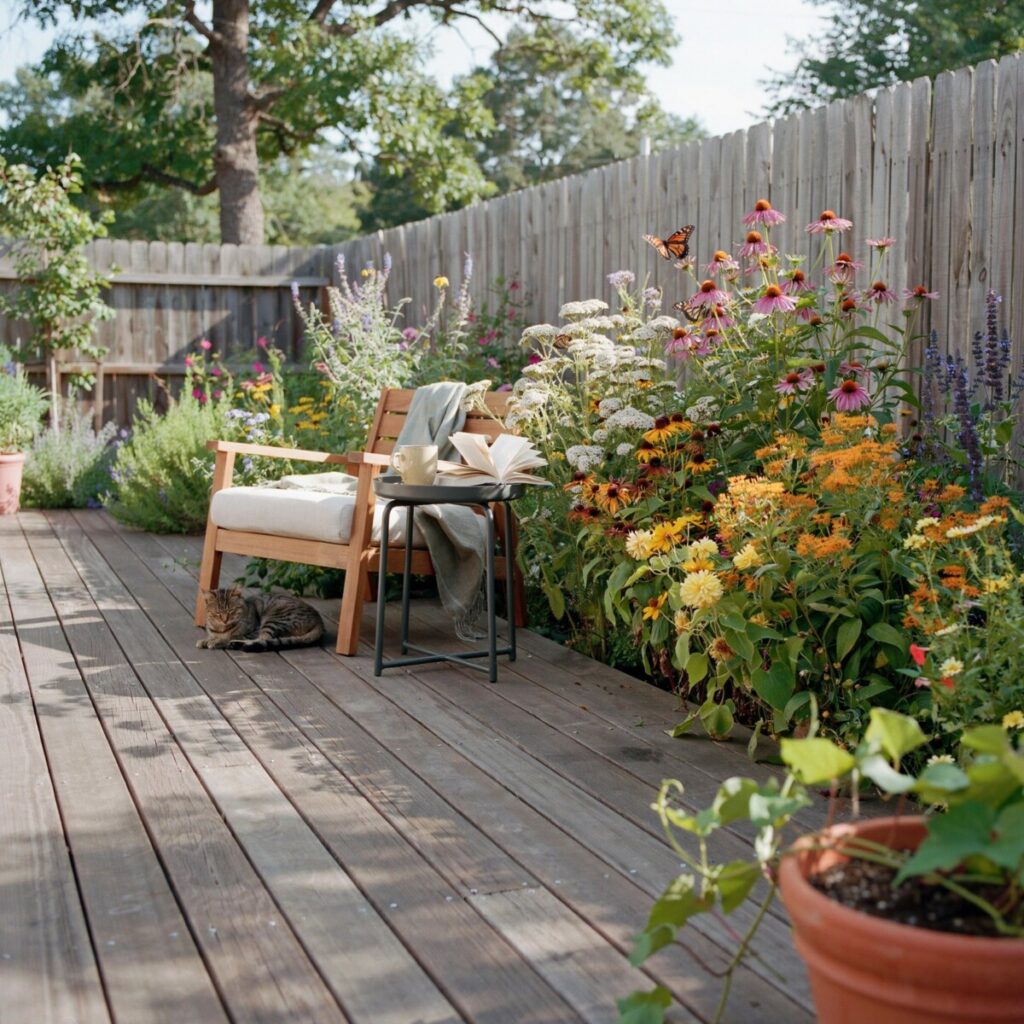
Plan with Purpose: Site Assessment and Goal-Setting
Before buying a single paver or plant, take time to understand your unique environment. A successful project starts with a thorough site assessment. Spend a few days observing your yard at different times. Note the sun exposure—where does it bake in the afternoon, and where does it stay shaded? Check your soil type and drainage; does water pool after a heavy rain, or does it drain instantly? Pay attention to microclimates, existing trees that provide natural shading, and prevailing wind patterns. Don’t forget to review local zoning laws or HOA rules, especially if you plan to install structures like pergolas or rainwater harvesting systems.
Once you understand your land, it’s time to set priorities. How will you use this space? Are you dreaming of an outdoor kitchen for entertaining, a quiet reading nook, an edible landscaping area, or a safe, soft play zone for kids and pets? Maybe you want to cultivate a backyard habitat for native pollinators. Defining your primary goals will dictate your design choices and help you avoid costly mistakes.
Next, grab a tape measure and sketch a simple layout of your space. You don’t need to be a professional landscape architect; a rough bird’s-eye view on graph paper or a free digital app works perfectly. Mark out existing features you want to keep, such as mature trees or current pathways, and outline the areas slated for transformation. This basic planning phase ensures your design aligns with your lifestyle, local climate, and budget.
Design Principles for Sustainable Outdoor Spaces
Creating a truly sustainable outdoor living space requires a shift in how we view our yards. Instead of fighting nature, the goal is to work with it. Here are the core design principles to guide your project:
- Reduce, Reuse, Recycle: Before heading to the home improvement store, look at what you already have. Can old bricks be reused for a new fire pit? Can wood from a dismantled shed be repurposed into planter boxes? Sourcing second-hand or salvaged materials drastically cuts down on the embodied carbon of your project.
- Water Efficiency: Design your space to minimize water reliance. Group plants with similar watering needs together—a technique known as hydrozoning—so you aren’t overwatering drought-tolerant species just to keep a thirsty fern alive. Incorporate rain gardens in low-lying areas to capture and filter stormwater runoff naturally.
- Biodiversity and Native Plants: A healthy yard is a living ecosystem. Prioritize native plants for yards, as they are adapted to your local climate and require fewer fertilizers and pesticides. They also provide essential food and shelter for local wildlife, supporting a thriving population of birds and beneficial insects.
- Natural Materials and Longevity: Choose durable materials that won’t need replacing in a few years. A longer lifecycle means less waste in landfills. Opt for natural shading solutions, like deciduous trees that block harsh summer sun but let in warming winter light, reducing the need for energy-intensive cooling. Windbreaks, such as dense evergreen shrubs planted on the north side of your property, can shield your home from harsh winter winds, lowering your heating bills.
- Multi-Function Spaces: Make every square foot count. A retaining wall can double as extra seating. A trellis covered in climbing vines can provide privacy while also producing edible grapes or passionfruit. Designing for seasonal interest ensures your space remains beautiful and functional year-round.
By embracing these principles, your outdoor area becomes a self-sustaining haven that maximizes beauty and utility while driving meaningful carbon footprint reduction.
Low-Impact Hardscaping and Materials
Hardscaping—the non-living elements of your landscape like patios, decks, and walkways—forms the backbone of your outdoor living space. Traditional concrete and pressure-treated lumber carry a heavy environmental toll, but modern eco-friendly alternatives make sustainable choices easier than ever.
For decking, consider reclaimed wood decking. Salvaged timber offers unparalleled character, rich history, and incredible durability, keeping old-growth wood out of landfills and reducing the demand for new logging. If you prefer the look of wood without the maintenance, composite decking made from recycled plastics and wood fibers is a stellar choice. It resists rot and insects without the need for toxic chemical treatments. When buying new wood, look for sustainably sourced cedar or FSC-certified alternatives to tropical hardwoods like Ipe, which are often linked to deforestation.
For patios and walkways, permeable paving is a game-changer. Unlike solid concrete that causes stormwater runoff and strains municipal sewer systems, permeable pavers, gravel, crushed stone, and stabilized decomposed granite allow rainwater to seep back into the earth. This encourages groundwater recharge and naturally filters pollutants. Installing a permeable patio is a straightforward DIY project: excavate the area, lay a base of crushed rock, and set the pavers with gaps filled with small gravel or sand.
(Image Placeholder: Close-up of permeable pavers installed on a patio with creeping groundcover between the gaps. Alt text: “permeable paving patio design allowing rainwater to recharge groundwater”)
When finishing your wood structures, the chemicals you use matter just as much as the wood itself. Traditional stains and sealants release volatile organic compounds (VOCs) into the air, harming both human health and the environment. Always opt for eco-friendly stains and sealants labeled as low-VOC or zero-VOC. These water-based or natural oil finishes (like tung or linseed oil) penetrate deeply, protect against UV rays and moisture, and require fewer harsh chemicals to apply.
By selecting materials based on their lifecycle assessment—considering how they are sourced, how long they last, and how they are eventually disposed of—you ensure that your hardscaping is as kind to the earth as it is beautiful.
Water-Wise Planting and Landscaping
The plants you choose dictate the ongoing water, chemical, and labor requirements of your yard. Water-wise gardening and xeriscaping (landscaping designed to reduce or eliminate the need for irrigation) are essential components of sustainable landscaping. By swapping out thirsty turf grass for drought-tolerant plants, you can slash your outdoor water use by up to 50 percent while creating a vibrant, dynamic landscape.
Native plants are the undisputed champions of low-maintenance outdoor design. Because they evolved in your specific region, they are naturally resistant to local pests and adapted to your natural rainfall patterns. Here are a few adaptable, pollinator-friendly landscaping stars by US region:
- Northeast: New England Aster, Eastern Redbud, Switchgrass, and Wild Bergamot.
- Southeast: Purple Coneflower, Oakleaf Hydrangea, Muhly Grass, and Black-eyed Susan.
- Midwest: Butterfly Weed, Prairie Dropseed, Pale Purple Coneflower, and Wild Indigo.
- Southwest: Agave, Desert Penstemon, California Fuchsia, and Red Yucca.
- Pacific Northwest: Sword Fern, Pacific Ninebark, Douglas Aster, and Salal.
Beyond ornamentals, consider integrating edible landscaping into your design. Fruit-bearing native shrubs like serviceberry or elderberry offer dual benefits: they provide delicious, home-grown snacks for your family while simultaneously feeding local bird populations. Raised beds made from reclaimed wood can host a mix of native herbs and vegetables, further reducing your grocery store carbon footprint.
To keep your plants thriving with minimal intervention, apply a thick layer of organic mulch or composting materials around your beds. Mulch suppresses weeds, regulates soil temperature, and retains moisture, dramatically reducing the need for watering. For irrigation, abandon wasteful sprinklers in favor of drip irrigation systems that deliver water directly to the root zone.
Consider installing a rainwater harvesting system. A simple rain barrel connected to your downspout can capture thousands of gallons of free water annually. If you’re feeling ambitious, look into graywater systems that safely route gently used water from your laundry or bathroom sinks to your ornamental garden beds (always check local regulations via the US EPA or local water authorities regarding graywater reuse first).
Real-Life Inspiration: A Mini Case Study
To see these principles in action, consider the story of the Miller family in Austin, Texas. Faced with a water-thirsty St. Augustine lawn that turned brown every July, they decided to transform their 1,500-square-foot backyard into a sustainable outdoor living space.
- The Before: High water bills, constant mowing, and a barren yard that offered little shade or privacy.
- The After: They removed 80% of the turf, replacing it with decomposed granite pathways and native Texas Sage, Lantana, and Red Yucca. They built a small pergola from reclaimed cedar and installed a 500-gallon rainwater harvesting system connected to a drip line.
- The Results: Their summer water bills dropped by 60%. The yard now buzzes with native pollinators, requires only occasional weeding, and provides a cool, shaded retreat for evening dinners. By leveraging local extension resources and focusing on xeriscaping, they achieved a stunning, low-maintenance outdoor design that paid for itself in water savings within three years.
Eco-Friendly Outdoor Furniture, Lighting, and Accessories
Furnishing your sustainable outdoor living space shouldn’t compromise your eco-values. The market is full of green outdoor furniture crafted from sustainable materials. Look for pieces made from FSC-certified wood, recycled plastic lumber (which keeps millions of milk jugs out of landfills), or rust-proof aluminum with a durable, non-toxic powder coat. When it comes to cushions and textiles, seek out fabrics made from solution-dyed acrylic or recycled polyester (rPET). These materials resist fading, mold, and water, ensuring your furniture lasts for decades rather than ending up in a landfill after one harsh summer.
Lighting is another area where you can easily reduce your energy consumption. Solar outdoor lighting has advanced significantly, offering bright, reliable illumination without the need for trenching wires or increasing your electric bill. Place solar path lights along walkways and use solar-powered string lights to create a cozy ambiance over your dining area. For hardwired fixtures, exclusively use LED bulbs, which use up to 90% less energy than incandescent bulbs. Incorporate motion sensors for security lighting and timers for ambient lights to ensure they are never left on accidentally.
Finally, accessorize thoughtfully. Use outdoor rugs made from recycled plastics, and decorate with upcycled planters or locally made pottery. By choosing high-quality, sustainable accessories, you create a cohesive, inviting environment that reflects your commitment to the planet.
Maintenance, Costs, and Long-Term Benefits
One of the greatest myths about sustainable landscaping is that it is maintenance-free. In reality, it is low-maintenance. A seasonal checklist will keep your space thriving: prune native shrubs in late winter, apply fresh organic mulch in the spring, test your soil every few years to avoid over-fertilizing, check drip irrigation lines for clogs in early summer, and reseal wooden decks with eco-friendly stains every two to three years. Don’t forget to compost yard waste to create nutrient-rich soil amendments right in your backyard.
When budgeting, it’s crucial to look beyond the initial price tag. Eco-friendly materials like composite decking or permeable pavers may have a higher upfront cost than pressure-treated pine or poured concrete, but the lifetime cost trade-offs heavily favor sustainability. You will save significantly on water bills, chemical fertilizers, and replacement costs. Don’t forget to check with your local municipality or water district. Many cities offer rebates or financial incentives for homeowners who remove turf grass, install rain barrels, or upgrade to permeable paving, which can significantly offset your initial project costs.
We can break budgeting down into simple tiers: budget-friendly (mulch paths, seed native wildflowers, DIY rain barrels), mid-range (recycled composite decking, professional drip irrigation, solar lighting), and premium (reclaimed wood decking, high-end permeable pavers, custom water features).
The long-term ROI of a sustainable outdoor living space is undeniable. You’ll enjoy lower monthly utility bills, a dramatic reduction in weekend yard work, and a measurable increase in property value. Beyond the financial perks, the ecosystem benefits—cleaner runoff, healthier soil, and thriving local wildlife—are priceless.
Quick Start Project Ideas and Checklist
Ready to get your hands dirty? Here are five easy starter projects to kick off your eco-friendly transformation:
- Build a raised native pollinator bed: (1 weekend, $50-$150) Use untreated wood and fill with native perennials.
- Install a rain barrel and drip line: (2 hours, $100-$200) Capture roof runoff and water your garden efficiently.
- Replace a lawn strip with permeable pavers and groundcover: (1 weekend, $200-$400) Reduce mowing and runoff.
- Create shady seating with a pergola and climbing native vine: (1 weekend, $300-$600) Natural cooling and beauty.
- Swap porch lights for solar LEDs: (30 minutes, $50) Instant energy savings.
Your Quick-Start Checklist:
- [ ] Assess your site (sun, soil, water).
- [ ] Pick your top two sustainability goals.
- [ ] Choose one starter project from the list above.
- [ ] Create a shopping list focusing on local, sustainable materials.
- [ ] Set a weekend to begin your project!
Closing
Building a sustainable outdoor living space doesn’t have to happen all at once. Start small, enjoy the process, and watch your backyard transform into a thriving ecosystem. We’d love to see your progress! Share your before-and-after photos on social media and tag us. For tailored advice, explore resources from your local Cooperative Extension, the Native Plant Society, or the EPA’s WaterSense program. What region are you gardening in? Drop a comment below for customized tips!
Frequently Asked Questions (FAQ)
What is xeriscaping?
Xeriscaping is a landscaping philosophy that focuses on water conservation. By utilizing drought-tolerant native plants, efficient irrigation, and strategic soil amendments, xeriscaping creates beautiful yards that thrive on minimal supplemental water, making it ideal for arid regions or areas prone to drought.
How much does a sustainable patio cost?
Costs vary widely based on materials and size. A DIY permeable gravel patio might cost $2 to $5 per square foot, while high-end permeable pavers or reclaimed wood decking can range from $15 to $30+ per square foot installed. However, sustainable patios often qualify for local municipal rebates, lowering the net cost.
Is composite decking really eco-friendly?
While it is made from recycled plastics and wood fibers (diverting waste from landfills) and requires no chemical sealants, composite decking is difficult to recycle at the end of its life. However, its long lifespan and low maintenance often make it a more sustainable choice over a 25-year lifecycle assessment compared to chemically treated wood that may rot or require frequent replacement.
