
Transform Your Space: The Ultimate Kitchen Remodel Guide
The kitchen remains the heart of every American home—a space where meals become memories, and functionality meets style. According to the National Association of Realtors, a kitchen remodel yields an average return on investment (ROI) of 52%, making it one of the smartest home improvement projects. Whether you’re planning a luxurious renovation or a budget-friendly update, this comprehensive guide will navigate you through design trends, layout options, and cost-saving strategies for your dream kitchen.
Recent studies show that 26% of homeowners plan to remodel their kitchens within the next year. This surge in kitchen makeovers has sparked innovation in design, technology, and sustainable materials that cater to modern lifestyles while maintaining timeless appeal. From smart appliances to multi-functional islands, today’s kitchen designs blend aesthetics with cutting-edge functionality.
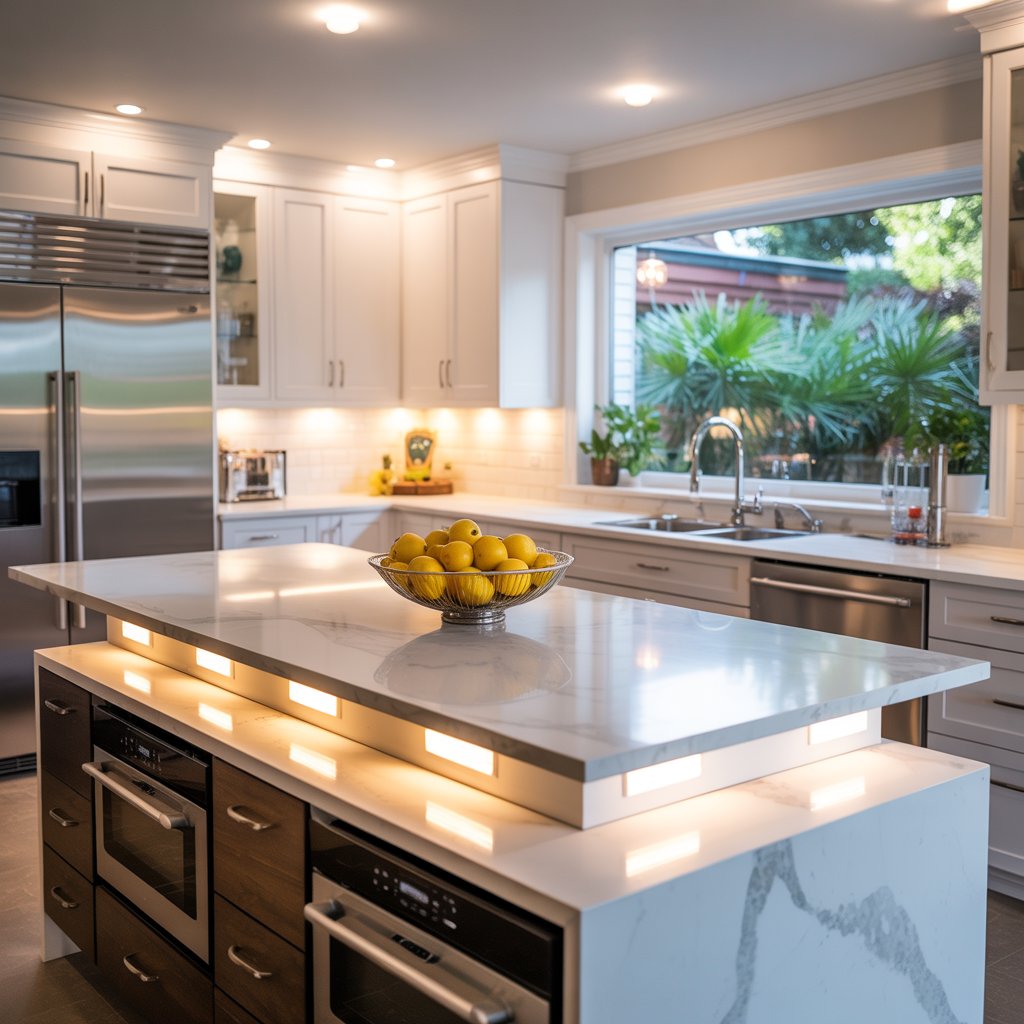
Popular Kitchen Layouts: Finding Your Perfect Match
L-Shaped Kitchen: Versatile and Spacious
The L-shaped layout maximizes corner space while providing excellent workflow between the kitchen’s three main work areas: the sink, refrigerator, and stove. This design is particularly effective for open-plan homes, as it seamlessly integrates the kitchen with adjacent living spaces. Ideal for both small and large kitchens, it offers ample counter space and storage options.
“An L-shaped kitchen creates a natural work triangle, making meal prep more efficient while offering room for bar seating,” says Sarah Richardson, certified kitchen designer.
U-Shaped Kitchen: Ultimate Functionality
For serious home chefs and families who love to cook together, the U-shaped kitchen offers the ultimate in functionality and storage. With countertops and cabinetry wrapping around three walls, it provides maximum workspace within easy reach. This layout works exceptionally well in medium to large spaces and allows for multiple cooks to work comfortably.
Pro Tip: Add a peninsula instead of a fourth wall of cabinets to maintain the U-shape’s efficiency while keeping the space feeling open.
Comparison of Standard Layouts:
| Layout Type | Best For | Avg. Space Required | Key Benefit |
|---|---|---|---|
| Galley | Narrow spaces | 7′ x 12′ | Efficient workflow |
| L-Shaped | Open floor plans | 10′ x 10′ | Flexible design |
| U-Shaped | Large families | 12′ x 12′ | Maximum storage |
| Island | Entertaining | 12′ x 15’+ | Extra seating/prep space |
2023 Design Trends: Where Style Meets Function
Modern kitchen designs embrace bold statements while maintaining timeless functionality. Currently trending are:
- Two-Tone Cabinets: Pairing light upper cabinets with darker base cabinets creates visual interest while offering practical benefits—a trend perfect for dark cabinets and light countertops.
- Smart Technology: Refrigerators with built-in screens, voice-activated faucets, and app-controlled ovens are becoming standard in new kitchen remodels, particularly in urban areas.
- Sustainable Materials: Recycled glass countertops, bamboo cabinetry, and energy-efficient appliances appeal to eco-conscious homeowners and can qualify for green home improvement tax credits.
“We’re seeing a shift toward personalized color schemes that reflect individual style rather than strictly following trends,” notes Michael Chen, founder of Chen Designs International. “Deep blues, forest greens, and even moody blacks are replacing the all-white kitchens of previous years.”
Budget Breakdown: Smart Spending for Your Remodel
Understanding kitchen remodeling costs helps set realistic expectations and prioritize upgrades. The average kitchen renovation ranges from $13,000 for a minor update to $50,000+ for a complete overhaul of high-end kitchens.
Cost-Saving Strategies:
- Refinish rather than replace cabinets
- Choose manufactured stone over natural stone countertops
- Shop during holiday sales for appliances
- Consider alternative flooring like luxury vinyl plank instead of hardwood
- Keep plumbing and electrical in existing locations
Pro Tip: Allocate 20% of your budget for unexpected expenses—many homeowners discover hidden issues once walls are opened up.
Investment Priorities:
- Quality cabinets (30-40% of budget)
- Countertops (5-15%)
- Appliances (10-20%)
- Flooring (5-10%)
- Lighting (2-5%)
- Hardware and finishes (2-5%)
Maximizing Storage: Clever Solutions for Every Kitchen
Smart storage transforms how you use your kitchen space. Consider these innovative solutions:
- Pull-Out Pantry Units: Convert narrow spaces between appliances into functional storage
- Appliance Garages: Keep counters clutter-free by hiding small appliances
- Deep Drawer Organizers: Perfect for pots, pans, and baking sheets
- Vertical Storage: Utilize wall space with pot racks and magnetic knife strips
- Corner Solutions: Lazy Susans or magic corners make the most of awkward corner cabinets
For homes with limited space, incorporating multi-functional elements like a banquette with built-in storage or an island with pull-out trash cans can dramatically increase functionality without sacrificing style.
Eco-Friendly Kitchen Remodeling
Sustainable design has moved beyond a trend into a fundamental consideration for modern kitchen renovations:
Energy Efficiency Upgrades:
- ENERGY STAR® rated appliances use 10-50% less energy
- LED lighting uses 75% less energy than incandescent bulbs
- Energy recovery ventilators improve air quality
- Insulated doors and windows reduce heating/cooling costs
Sustainable Material Choices:
- Reclaimed wood countertops
- Recycled glass tile backsplashes
- Low-VOC paints and finishes
- Rapidly renewable resources like cork or bamboo flooring
Timeline: What to Expect From Start to Finish
A typical kitchen remodel takes 8-12 weeks from demolition to completion, depending on the project’s complexity. Here’s a general timeline:
- Planning & Design (2-4 weeks)
- Initial consultation
- Measurements and 3D renderings
- Material selection and ordering
- Demolition (1-2 weeks)
- Removal of existing features
- Structural modifications if needed
- Rough-in Work (1-2 weeks)
- Electrical, plumbing, and HVAC updates
- Drywall installation and finishing
- Installation (3-4 weeks)
- Cabinets and countertops
- Appliances and fixtures
- Lighting installation
- Finishing Touches (1 week)
- Painting
- Hardware installation
- Final inspection
Lighting: The Secret Weapon in Kitchen Design
Proper lighting transforms both the functionality and ambiance of your space. Layer these three types of lighting for optimal results:
- Task Lighting: Under-cabinet LED strips, pendant lights over islands, recessed lights above countertops
- Ambient Lighting: Flush-mount or semi-flush ceiling fixtures, track lighting
- Accent Lighting: Inside cabinet lighting, toe-kick lighting, wall sconces
“We recommend incorporating dimmer switches for most lighting fixtures to create different moods throughout the day,” suggests lighting designer Emily Henderson.
Professional vs. DIY: Making the Right Choice
While some aspects of kitchen remodeling are well-suited for DIY enthusiasts (painting, installing backsplash tile), professional assistance is crucial for:
- Plumbing Work: Relocating gas lines or water hookups requires licensed professionals
- Electrical Updates: Adding circuits or moving outlets must meet local building codes
- Structural Changes: Removing walls requires proper support calculations
- Custom Cabinetry: Precise measuring and installation ensure proper fit and function
Pro Tip: Check certification websites like the National Kitchen & Bath Association (NKBA) to find qualified kitchen designers and contractors in your area.
Smart Technology Integration
Modern kitchens are getting smarter, with technology that enhances convenience and efficiency:
- Smart refrigerators with interior cameras and recipe integration
- Touchless faucets with temperature control
- Voice-activated lighting and appliances
- Smart ovens controlled via smartphone apps
- Built-in charging stations and tamper-resistant outlets
Final Touches: Personalizing Your Space
The finishing details transform your kitchen from simply functional to uniquely yours:
- Cabinet Hardware: From sleek minimalism to decorative vintage styles
- Sink and Faucet: Farmhouse, under-mount, or vessel sinks paired with high-arc faucets
- Backsplash Tiles: Subway tiles, geometric patterns, or colorful mosaics
- Window Treatments: Roman shades, wood blinds, or contemporary cafe curtains
- Decorative Accents: Open shelving, artwork, and fresh plants add personality
Embark on Your Kitchen Remodeling Journey
A kitchen remodel represents a significant investment in both time and money, but the returns extend far beyond financial value. According to a Houzz study, 29% of homeowners report cooking more after renovating their kitchens, while 24% say they eat healthier meals. More than 60% say their remodel has improved their overall quality of life.
Remember that successful kitchen design balances aesthetics with functionality, creating a space that suits your lifestyle while incorporating elements that will stand the test of time. Whether you’re updating a cozy bungalow or reimagining an open-concept space, thoughtful planning and attention to detail ensure a kitchen that serves as the true heart of your home for years to come.
Ready to transform your kitchen? Contact our design team today for a personalized consultation and discover how we can help bring your dream kitchen to life. Visit our gallery for inspiration or follow us on social media to see our latest projects and design tips.